



Shoulder Labrum Tear: Why It Happens and How to Treat It

When it comes to shoulder pain, patients may choose to soldier on initially. However, shoulder pain that lingers or returns with certain movements may be a sign of deeper structural damage. One commonly affected structure is the labrum, a ring of fibrocartilage that surrounds the shoulder socket (glenoid) and plays a key role in joint stability by securing the head of the upper arm bone (humerus).
When the labrum is torn, the shoulder can lose this vital support. This often leads to pain, a feeling of looseness or catching in the joint and difficulty performing everyday movements or sports activities that rely on shoulder strength and control. At this stage, soldiering on with the pain or discomfort is unfavourable. Instead, it is recommended to seek professional advice to have the condition assessed and treated for a full recovery.
What Are The Different Types of Shoulder Labrum Tears?
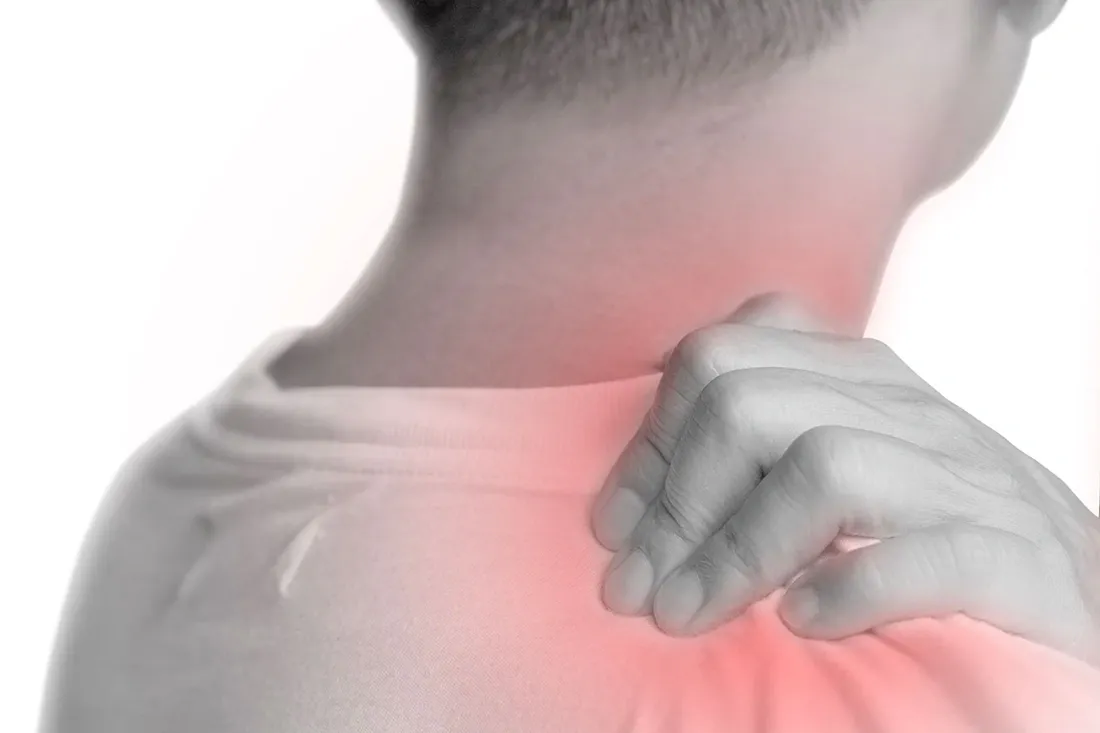
Shoulder labrum tears are classified based on their location within the shoulder joint. The most common types include:
Superior Labrum Anterior to Posterior (SLAP) Tears
This occurs at the top of the labrum, where the biceps tendon attaches. The tear extends from the front (anterior) to the back (posterior) of this attachment point. These injuries are typically caused by repetitive overhead activities or by acute trauma like a fall.
Bankart Tears
This tear happens at the lower-front portion of the labrum. It is most often caused by a shoulder dislocation, where the head of the humerus is forced out of the glenoid socket.
Posterior Labrum Tears
Less common than SLAP or Bankart tears, this type of tear affects the back portion of the labrum. These tears may result from direct impact, repetitive pushing movements or gradual wear from activities such as rowing.
Degenerative Labrum Tears
This tear is not caused by a single injury but develops over time due to gradual wear and tear. They are more common in older adults as the cartilage naturally weakens with age.
Why Do Shoulder Labrum Tears Happen?
Shoulder labrum tears can develop for several reasons, often related to injury, repetitive strain or underlying instability. Common causes include:
Traumatic Injuries
A sudden, forceful event is a common cause of a labral tear. This can include a direct blow to the shoulder, falling onto an outstretched arm, or a sudden pull, such as when trying to lift a heavy object. These acute injuries can cause the labrum to tear abruptly.
Shoulder Dislocations
When the shoulder dislocates, the head of the humerus is forced out of the glenoid socket, which can tear the labrum. A Bankart tear is the most common result of an anterior (forward) dislocation. Once the labrum is torn, the shoulder becomes more prone to recurrent instability and future dislocations.
Repetitive Overhead Motion
Athletes and individuals whose occupations involve frequent overhead movements are at an increased risk of developing labral tears. Activities like throwing, swimming and weightlifting place repetitive stress on the shoulder joint, leading to gradual wear and eventual tearing of the labrum.
Degeneration Over Time
As we age, the cartilage in our joints, including the labrum, can become brittle and more susceptible to injury. Degenerative tears develop gradually over time due to this wear and tear and may not be linked to a specific injury.
What Are The Different Types of Shoulder Labrum Tears?
The symptoms can vary depending on the type and severity of the tear. Some individuals may not experience noticeable symptoms, while others may have significant pain and functional limitations. Commonly described symptoms include:
- A deep, aching pain within the shoulder joint.
- Pain that worsens with overhead activities or when holding the arm in specific positions.
- A sensation of catching, locking, popping or grinding during shoulder movement.
- A feeling of instability, as if the shoulder might "give out" or slip out of place.
- Decreased range of motion.
- A loss of strength in the shoulder and arm.
- Pain at night, especially when lying on the affected side.
How Is a Shoulder Labrum Tear Diagnosed?
Because the labrum is located deep within the shoulder joint, a physical examination alone is often insufficient for a definitive diagnosis. To confirm the diagnosis and determine the extent of the tear, an MRI provides detailed images of the shoulder's soft tissues.
An MRI arthrogram, where a contrast dye is injected into the joint before the scan, is often the preferred method as it provides a clearer view of the labrum and can highlight tears more effectively.
In some cases where imaging is inconclusive, a diagnostic arthroscopy may be recommended. This is a minimally invasive surgical procedure where a small camera is inserted into the shoulder joint to directly visualise and assess the damage.
How Are Shoulder Labrum Tears Treated?
Treatment for torn shoulder labrum is tailored to the type of tear, its severity and the patient's activity level.
For many minor tears, symptoms can be managed with conservative treatments, including rest and activity modification, anti-inflammatory medications and physiotherapy. These methods focus on reducing pain and improving shoulder function.
If these conservative measures do not provide relief, or if the tear is severe, surgery may be necessary. Surgical procedures are usually performed arthroscopically, using a small camera and instruments inserted through minor incisions.
Common surgical options for a torn shoulder labrum depend on the type and extent of the injury, as well as the patient's symptoms and activity level. These procedures include:
- SLAP Repair: The surgeon reattaches the torn upper portion of the labrum to the glenoid using sutures and small anchors.
- Bankart Repair: This procedure repairs the labrum at the front of the shoulder to restore stability, particularly after recurrent dislocations.
- Labral Repair: The torn section of the labrum is secured back to the rim of the shoulder socket with sutures and anchors to improve joint support.
- Biceps Tenodesis: In selected SLAP tears involving the biceps tendon, the surgeon releases the tendon from the labrum and reattaches it elsewhere. This reduces tension on the damaged labrum and relieves pain.
- Labral Debridement: When the labrum is frayed and cannot be repaired, the surgeon trims the damaged tissue to reduce catching and discomfort within the joint.
Recovery and Rehabilitation From Shoulder Labrum Tears
Recovery depends on the severity of the tear and the type of treatment. After surgery, the arm is typically immobilised in a sling for 3-6 weeks to allow the labrum to heal.
A structured rehabilitation programme is helpful for a successful recovery. Physiotherapy usually begins a few weeks after surgery and focuses on gradually restoring range of motion, flexibility and strength. A full return to high-impact activities and sports may take 9-12 months.
Let Axis Orthopaedic Centre Shoulder The Recovery With You
At Axis Orthopaedic Centre, we understand that a shoulder labrum tear can affect both your daily activities and long-term mobility. Which is why our team takes a personalised approach to care, beginning with an accurate diagnosis and a clear explanation of your condition. Patients are in good hands with Dr Seng Chusheng, formerly a Consultant Orthopaedic Surgeon at Singapore General Hospital, who has successfully performed more than a thousand surgeries throughout his career. If you are experiencing persistent shoulder pain or instability, do not hesitate to seek professional medical advice. Schedule a consultation for a professional assessment with our team and we will shoulder the management of your recovery together, every step of the way.
Dr Seng Chusheng
Senior Consultant Orthopaedic Surgeon (Sports & Exercise Medicine)
MBBS (Singapore), MRCS (Edinburgh), MMed (Orth), FRCS (Edinburgh)
Dr Seng Chusheng is an orthopaedic surgeon in Singapore with a clinical focus on minimally invasive foot surgery, including bunions and other foot deformities. He has over 10 years of experience and adopts a patient-centred approach, tailoring treatment plans to individual clinical needs.
Before entering private practice, Dr Seng was a consultant orthopaedic surgeon at Singapore General Hospital, where he received the SingHealth Service With A Heart Award. He has also presented at orthopaedic conferences, including the American Academy of Orthopaedic Surgeons Annual Scientific Meeting.



Our Clinic Locations
With three conveniently located clinics across Singapore, Dr Seng provides accessible and comprehensive orthopaedic care closer to where you live and work. Each location is equipped to deliver accurate diagnosis, treatment, and rehabilitation for a wide range of musculoskeletal conditions.
Teleconsult Available
For foreign patients, a tele-consult on Zoom or WhatsApp can be done if pre-arranged in advance. Please email or WhatsApp first to enquire.
Opening Hours
Contact Details