


Plantar Fasciitis in Singapore: A Common Cause of Heel Pain

Plantar fasciitis is a foot condition that develops when repeated strain places excessive stress on the tissues of the heel. It is often linked to prolonged standing, walking, or activities that increase pressure through the foot, leading to pain that is typically worse with the first steps after rest. Read more below:

Dr Seng Chusheng

Orthopaedic Surgery, Sports & Exercise Medicine

MBBS (Singapore), MRCS (Edinburgh), MMed (Orth), FRCS (Edinburgh)

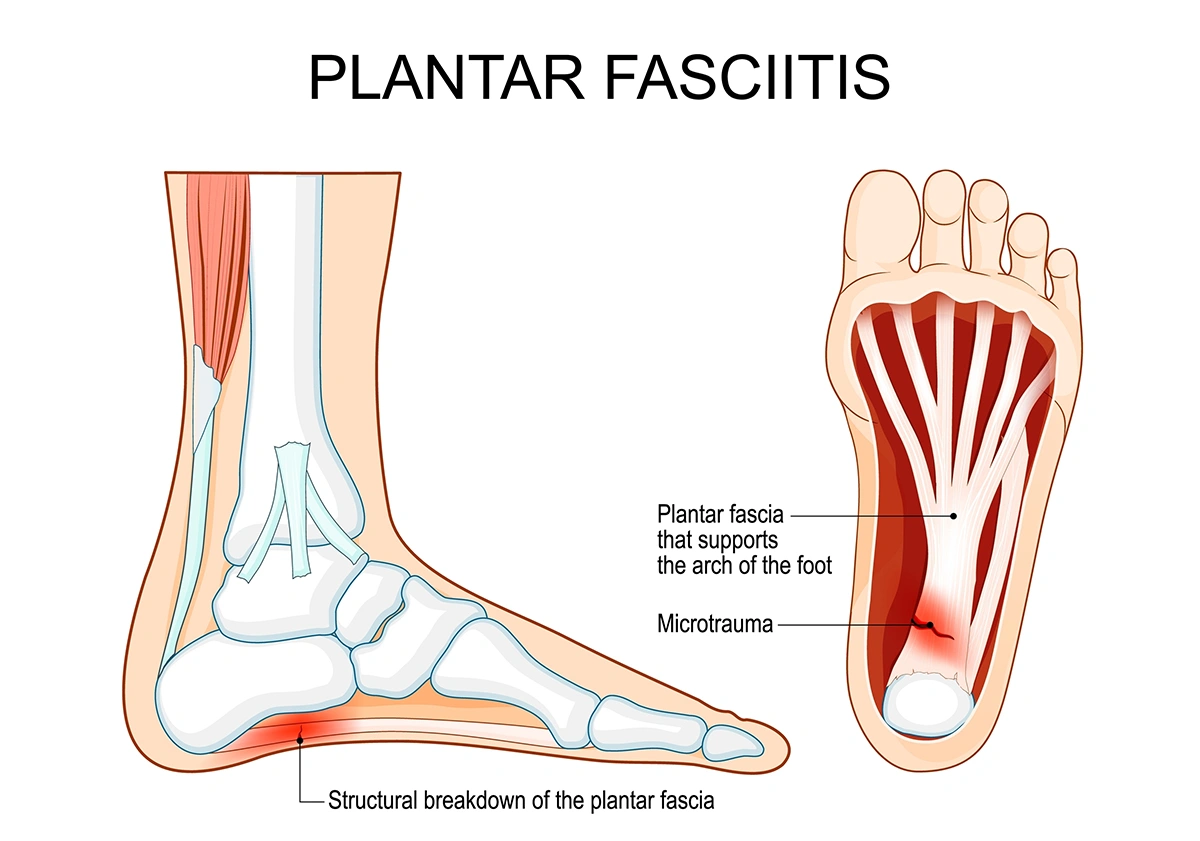
A diagram explaining plantar fasciitis

What Is Plantar Fasciitis (Heel Pain)?

Plantar fasciitis is a leading cause of heel pain, occurring when the plantar fascia—a thick band of connective tissue spanning the sole of the foot—becomes irritated or inflamed. This tissue serves as a vital shock absorber, supporting the natural arch of the foot during movement.

In some instances, this condition is associated with a heel spur, which is a bony protrusion that develops on the underside of the heel bone. While these growths often appear alongside chronic inflammation, they are not always the primary source of pain, and many individuals with spurs remain asymptomatic.

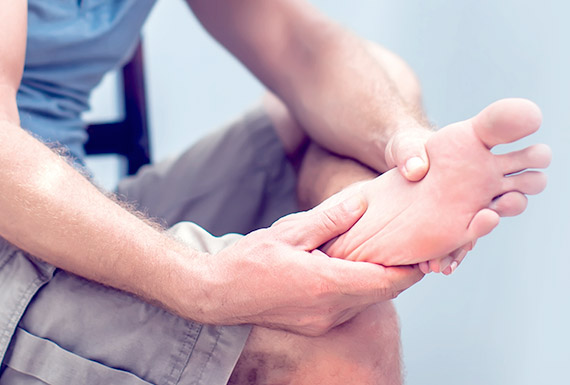
A defining symptom of plantar fasciitis is a sharp, stabbing sensation in the heel, which is typically most acute during the first steps of the morning or after prolonged periods of inactivity. While the discomfort often eases as the tissue warms up with movement, it may return after extended standing or intense physical activity.

Heel Pain
Plantar Fasciitis Treatment in Singapore

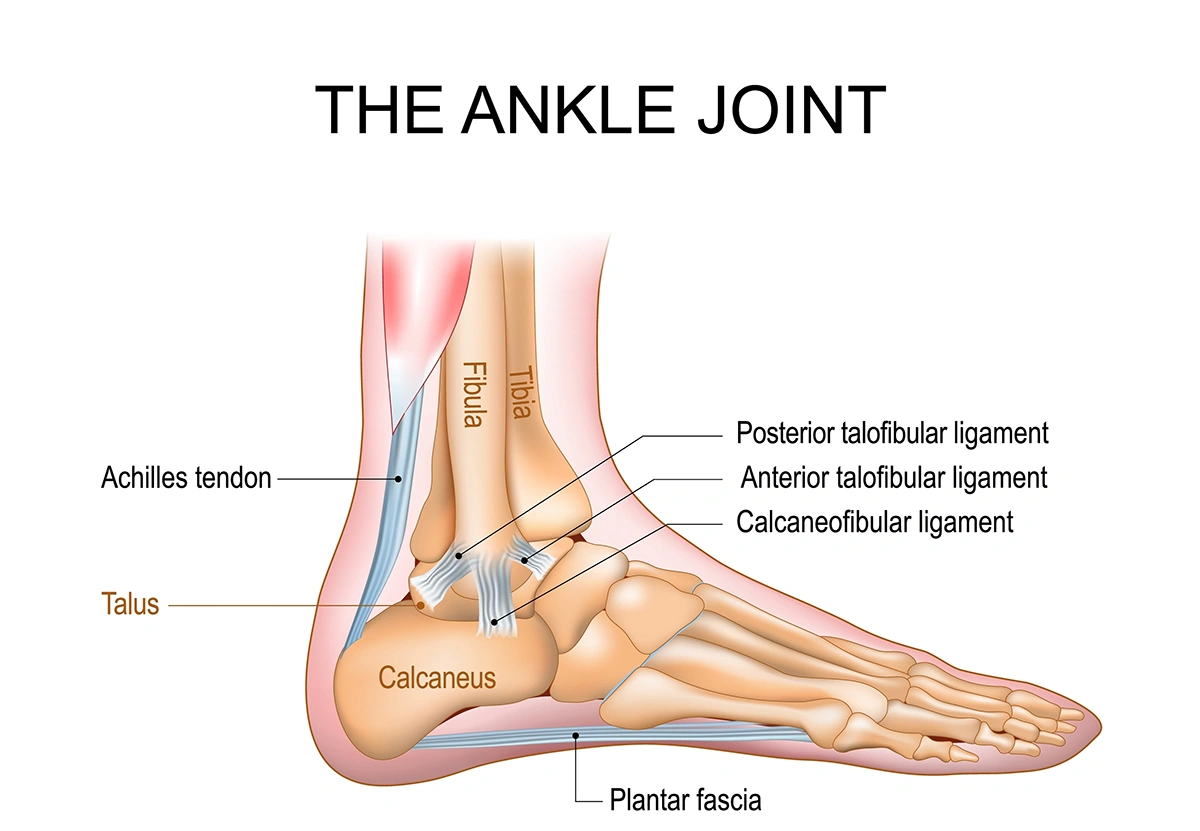
The Anatomy of the Ankle Joint

A diagram of the ankle joint

What Is the Plantar Fascia?

The plantar fascia is a robust band of connective tissue composed primarily of collagen fibres that spans the sole of the foot. It originates at the calcaneus (heel bone) and extends forward to the base of the toes, serving as a critical structural component that maintains the foot's shape and integrity during weight-bearing activities.

This tissue functions as the primary support for the medial longitudinal arch, ensuring that body weight is distributed evenly across the foot's surface. By acting as a biological shock absorber, the plantar fascia reduces the mechanical impact placed on the skeletal structure during walking or running. Beyond its supportive role, it also provides a protective layer for the deeper muscles, nerves, and blood vessels situated within the sole.

The plantar fascia is also a key component of the windlass mechanism. During the push-off phase of a gait cycle, the tissue naturally tightens as the toes extend, which effectively stabilises the arch and provides the necessary rigidity for efficient movement.

Structure of the Plantar Fascia

The plantar fascia is structured into three distinct segments, each providing varying levels of support and load distribution across the sole:

  • Medial Component: Situated nearest to the hallux or big toe, this section is relatively thin and is less frequently associated with the development of clinical symptoms.
  • Central Component: This is the thickest and most robust portion of the fascia, bearing the primary mechanical load during weight-bearing activities. Due to its prominence, it is the segment most commonly involved in the onset of plantar fasciitis.
  • Lateral Component: Positioned along the outer edge of the foot toward the small toe, this thinner section provides additional structural reinforcement to the lateral arch.

As the central component consistently experiences the highest degree of mechanical stress during the gait cycle, it is the most susceptible to the micro-tearing and inflammation that characterise chronic heel pain.

What Are the Causes of Plantar Fasciitis?

The plantar fascia supports the arch and absorbs mechanical shock during daily movement. When repeated or excessive strain causes microscopic tears to develop faster than the body can repair them, the resulting tissue degeneration and inflammation lead to chronic heel pain.


Plantar fasciitis typically develops from a combination of mechanical strain and individual biomechanical risks, such as:


  • Overuse or Repetitive Strain

    Activities that place constant stress on the heel, such as long-distance running or high-impact aerobics, can lead to cumulative tissue damage.
  • Foot Structure and Biomechanics

    Individuals with flat feet, high arches, or abnormal walking patterns often experience uneven weight distribution that overstresses the fascia.
  • Tight Calf Muscles or Achilles Tendon

    Reduced flexibility in the posterior lower leg increases the tensile pull on the plantar fascia during every step.
  • Inappropriate Footwear

    Wearing shoes that lack adequate arch support or heel cushioning significantly increases the impact forces absorbed by the sole.
  • Occupational Factors

    Careers requiring prolonged standing or walking on hard, unyielding surfaces heighten the likelihood of symptoms.
  • Associated Conditions such as Heel Spurs

    These bony protrusions on the underside of the heel bone are often found alongside chronic inflammation, though they are not always the primary source of pain.
Identifying and correcting the underlying factors of plantar fasciitis provides the targeted intervention needed to reduce tensile pull and restore natural gait mechanics.
Schedule an Appointment

What Are the Symptoms of Plantar Fasciitis?

Plantar fasciitis typically presents as localised heel pain that fluctuates in intensity based on activity levels and the time of day. This discomfort is generally concentrated on the underside of the heel, though the inflammatory sensation may also extend along the medial arch of the foot.


Some of the most common symptoms include:


  • Heel Pain During Initial Morning Steps

    A sharp or stabbing sensation is often felt when first getting out of bed. This occurs because the plantar fascia naturally tightens overnight and is suddenly stretched during the first few steps.
  • Discomfort Following Periods of Rest

    Symptoms frequently resurface when standing up after prolonged sitting or general inactivity, as the tissue must readapt to weight-bearing stress.
  • Pain During or After Standing and Walking

    While discomfort may temporarily lessen with initial movement, it often returns or intensifies after extended periods of walking or standing on hard surfaces.
  • Tenderness at the Base of the Heel

    The underside of the heel may feel acutely sensitive to touch, particularly at the specific point where the plantar fascia attaches to the calcaneus (heel bone).
  • Pain Extending Along the Arch

    In some cases, the inflammatory sensation radiates from the heel into the medial arch of the foot, especially during the push-off phase of walking.

Who Is at Risk of Having Plantar Fasciitis?

Certain clinical factors and lifestyle habits can increase the likelihood of developing plantar fasciitis. While it is particularly common among avid runners due to repetitive mechanical stress, several other factors contribute to the risk, such as:


  • Age and Natural Degeneration

    Plantar fasciitis occurs most frequently in individuals between 40 and 60 years of age, as the connective tissues in the foot naturally lose some elasticity over time.
  • Obesity and Excess Body Weight

    Carrying additional weight places significant mechanical stress on the plantar fascia, increasing the risk of micro-tearing during weight-bearing activities.
  • Occupational Requirements

    Jobs that necessitate long hours of standing or walking on hard, unyielding surfaces can exacerbate heel strain. This commonly affects teachers, factory workers, and retail personnel.
  • Inadequate Footwear

    Frequent use of high heels or shoes that lack sufficient arch support and cushioning can worsen inflammation and impede the body's natural shock-absorption mechanisms.
  • Flat Feet or High Arched Feet

    Structural variations in the foot, such as flat feet (pes planus) or high arches (pes cavus), can lead to an uneven distribution of weight, placing abnormal tension on the fascia.
Identifying your specific risk profile through a detailed evaluation from our foot specialist at Axis Orthopaedic Centre allows for the implementation of a targeted preventative strategy to protect your long-term foot health.
Schedule an Appointment

When Should I Consider Seeing a Doctor?

While many cases of mild heel discomfort resolve with rest, a formal clinical evaluation by an orthopaedic specialist is recommended if symptoms persist for three to six months or significantly impede your daily lifestyle.


Furthermore, a medical assessment is necessary if your symptoms do not align with the classic presentation of plantar fasciitis. Signs that may indicate an alternative diagnosis or a more complex underlying condition include:


  • Neurological Sensations

    Experiencing burning pain, numbness, or a tingling sensation—particularly at night—may suggest nerve compression or peripheral neuropathy rather than simple inflammation.
  • Pain That Intensifies With Weight-Bearing

    If discomfort consistently worsens during prolonged standing or walking instead of gradually improving with movement, it may indicate a stress fracture or other structural issues.
  • Visible Inflammation and Discolouration

    The presence of noticeable swelling, bruising, or skin redness over the posterior heel may point toward bursitis or an acute Achilles tendon injury.
  • Sudden and Acute Pain Onset

    If the pain was triggered by a specific minor injury and felt sharp or knife-like immediately, it is essential to rule out a partial or complete tear of the plantar fascia.

How is Plantar Fasciitis Diagnosed?

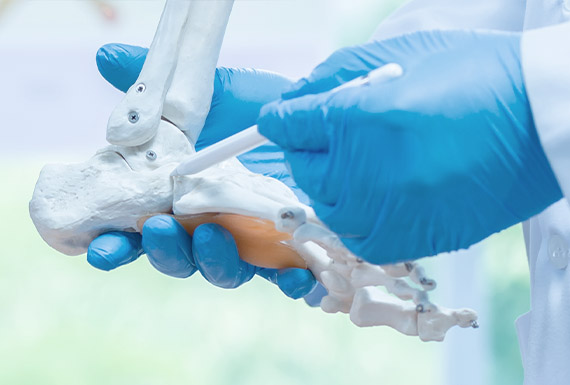
Plantar fasciitis is typically diagnosed through a clinical evaluation, which includes a detailed discussion of symptoms and a physical examination of the foot. The aim is to identify characteristic signs of plantar fasciitis and rule out other possible causes of heel pain.

Medical History

The doctor will begin by asking about your symptoms, including:

  • The location of the pain
  • When the pain occurs (e.g. first steps in the morning or after rest)
  • Activities that worsen or relieve the discomfort
  • Any recent changes in physical activity, footwear, or occupation

This information helps determine whether the symptom pattern is consistent with plantar fasciitis.

Physical Examination

During the examination, the doctor may:

  • Press on specific areas of the heel and foot to identify points of tenderness
  • Assess the arch of the foot and overall foot structure
  • Check for tightness in the calf muscles or Achilles tendon
  • Observe how you stand and walk to evaluate biomechanics

Pain that is localised to the inner (medial) part of the heel is commonly associated with plantar fasciitis.

Imaging Tests (If Required)

In many cases, imaging is not necessary. However, it may be considered if the diagnosis is unclear or if symptoms persist, via:

  • X-rays: X-rays may be used to identify the presence of a heel spur or rule out fractures. A heel spur may be seen in some individuals, but does not always correlate with symptoms.
  • Ultrasound or MRI: These imaging methods may help assess thickening or changes in the plantar fascia and exclude other conditions such as soft tissue injuries.

Ruling Out Other Conditions

The doctor may also consider other causes of heel pain, such as:

  • Stress fractures
  • Nerve-related conditions (e.g. tarsal tunnel syndrome)
  • Fat pad atrophy
  • Inflammatory or systemic conditions
With an accurate diagnosis, our specialist at Axis Orthopaedic Centre can tailor the right treatment approach to help you move more comfortably again.
Schedule an Appointment

What Are the Treatment Options for Plantar Fasciitis?

If you experience heel pain due to plantar fasciitis, your doctor may recommend either non-surgical or surgical heel pain treatments, depending on how severe your condition is. Non-surgical treatment is typically the first line of treatment considered.

Non-Surgical Treatments for Plantar Fasciitis

  • Analgesics

    : Pain relief medications that can be taken to ease the discomfort while you recover.
  • Physiotherapy

    : Structured stretching and strengthening exercises that correct underlying factors such as calf muscle tightness and intrinsic foot muscle weakness. These sessions focus on increasing flexibility in the lower leg and restoring the natural mechanical support of the arch.
  • Changing Your Footwear

    : The replacement of unsupportive footwear, such as flip-flops, with shoes that provide adequate cushioning and stability. This may include the use of medical-grade shoe inserts or orthotics to distribute pressure across the foot optimally.
  • Non-Steroidal Anti-inflammatory Drugs (NSAIDs)

    : Clinical medications used to reduce the acute pain and swelling caused by plantar fascia inflammation. While effective for temporary relief, these should be used under the guidance of a specialist to ensure they align with a broader treatment plan.

Plantar Fasciitis Surgery

While most cases of plantar fasciitis resolve within 6 to 18 months through conservative care, advanced clinical interventions may be necessary if symptoms severely impact your daily lifestyle. These include:

  • Clinical Injections

    : Specialists may provide corticosteroid injections for immediate inflammation relief or ultrasound-guided Platelet-Rich Plasma (PRP) therapy. PRP involves concentrating a patient’s own platelets to release essential growth factors that stimulate the natural healing of the degraded plantar fascia tissue.
  • Extracorporeal Shock Wave Therapy (ESWL)

    : A non-invasive procedure that directs high-energy shock waves toward the affected area to promote tissue repair and metabolic activity. This treatment typically takes approximately five minutes and is performed in an outpatient clinical setting.
  • Tenex Procedure

    : A minimally invasive technique that uses ultrasound imaging to guide a specialised probe into the damaged tissue. High-frequency ultrasonic vibrations are then used to precisely debride the diseased portions of the fascia without harming the surrounding healthy structures.
  • Endoscopic Plantar Fasciotomy

    : A surgical intervention for chronic cases where one or two small incisions are made to allow for the insertion of a microscopic camera. The surgeon then performs a targeted release of a portion of the fascia near the heel bone to alleviate the pathological tension causing the pain.

Move Towards Pain-Free Living with Axis Orthopaedic Centre

Effective management of plantar fasciitis requires a comprehensive understanding of your foot’s unique biomechanics and the specific mechanical triggers causing chronic inflammation. Whether your symptoms stem from repetitive strain, improper footwear, or tight calf muscles, early clinical intervention is essential to prevent secondary joint instability and long-term tissue degeneration.


At Axis Orthopaedic Centre, we provide a full spectrum of specialist care ranging from conservative rehabilitation to advanced minimally invasive interventions. Dr Seng Chusheng and our clinical team are dedicated to developing evidence-based treatment plans that align with your unique activity levels and lifestyle goals. If persistent heel pain is affecting your quality of life, contact us today to schedule a detailed assessment and take the first step toward restored mobility.

Frequently Asked Questions About Plantar Fasciitis

Does plantar fasciitis go away naturally?

Plantar fasciitis can usually heal on its own. However, it may take a long time before the pain subsides. Consulting with a doctor earlier on is recommended to prevent any worsening of the condition or living in prolonged discomfort.

Does walking ease pain from plantar fasciitis?

What happens if plantar fasciitis is left untreated?

Dr Seng Chuseng
About Dr Seng Chusheng
Orthopaedic Surgery, Sports & Exercise Medicine
MBBS (Singapore), MRCS (Edinburgh), MMed (Orth), FRCS (Edinburgh)

Dr Seng Chusheng is a consultant orthopaedic surgeon at Axis Orthopaedic Centre, specialising in foot and ankle surgery and restorative joint medicine. His clinical expertise includes the management of chronic plantar fascia degeneration, minimally invasive foot surgery, and advanced soft tissue repair. Over the course of his career, he has performed more than a thousand surgeries. He manages a broad range of conditions, including mechanical heel pain and sport-related lower limb injuries.

Dr Seng received advanced fellowship training at the Assal Centre in Geneva, Switzerland, focusing on complex deformities, trauma and minimally invasive techniques. Before entering private practice, he served as a consultant orthopaedic surgeon at Singapore General Hospital and continues as a visiting consultant. His dedication to patient care has been recognised with the SingHealth Service With A Heart Award. Actively involved in research and education, Dr Seng regularly presents at local and international conferences and has published extensively in peer-reviewed journals, reflecting his commitment to advancing orthopaedic practice.
OUR PROMISE TO YOU
Prompt
Our team is always available to respond immediately to your enquiries, for acute emergencies and stable conditions alike.
Personalised
Advanced
Long-Term
Integrated Approach To Restore Comfort And Mobility

Axis Orthopaedic Centre is committed to helping people return to their daily lives and activities without restriction. Contact us at 9711 8888 or WhatsApp us for a personalised assessment today, or fill up the form below.

For foreign patients, a tele-consult on Zoom or WhatsApp can be done if pre-arranged in advance. Please email or WhatsApp first to enquire.

WhatsApp Us