







Why Early Consultation Reduces the Risk of Cartilage Loss

Have you been ignoring knee pain, hoping it will go away on its own? While some discomfort may improve with time, persistent or recurring symptoms can sometimes point to underlying cartilage damage. Because cartilage has a limited ability to heal, delaying assessment may allow the problem to progress and become more difficult to manage. Early evaluation can help identify the cause and guide appropriate treatment.
What Is Knee Cartilage and Why Is It Important?
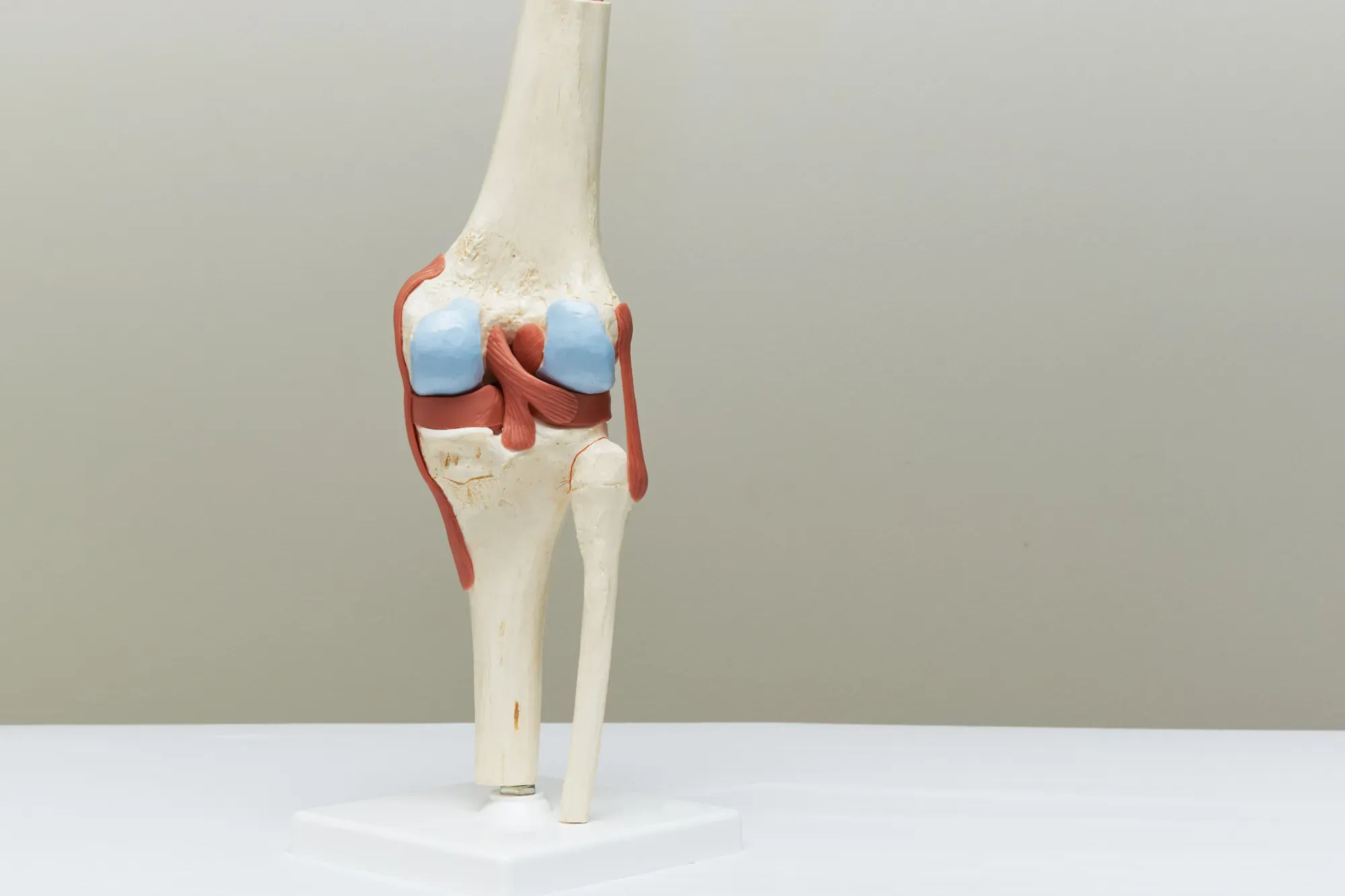
Knee cartilage is a smooth, rubber-like tissue that covers the ends of the bones within the knee joint. It plays an essential role in allowing the joint to move smoothly while also acting as a cushion that absorbs impact during everyday activities such as walking, climbing stairs and exercise.
Because cartilage does not have its own blood supply, it has a limited ability to heal once it is damaged. Even minor injuries can gradually worsen over time, potentially leading to progressive cartilage loss if left unaddressed. As the cartilage wears down, increased friction within the joint can result in knee pain, stiffness and reduced mobility.
Conditions such as cartilage injury (including meniscus tears) and early knee arthritis are often linked to this gradual degeneration.
How Does Knee Cartilage Damage Progress Over Time?
Knee cartilage damage often develops gradually, and the early stages may not always cause noticeable symptoms. However, without timely intervention, small areas of damage can worsen over time and affect the overall function of the joint.
In the early stages, the cartilage may begin to soften or develop small defects. As the condition progresses, the cartilage can gradually thin, reducing its ability to cushion the joint effectively.
Over time, continued wear may lead to increased friction between the bones, resulting in joint stiffness, reduced mobility, and eventual degeneration of the joint surface. Because this progression is often gradual, changes may be overlooked until the damage becomes more significant.
What Are the Early Signs of Knee Cartilage Damage?
In the early stages, cartilage damage may not cause severe symptoms, which is why it can often go unnoticed. However, there are subtle changes you may experience that can indicate the knee joint is under stress. These early signs may include:
Discomfort during or after activity
You may notice mild discomfort when walking, climbing stairs, or after prolonged use of the knee.Intermittent swelling
The knee may appear slightly swollen after activity, even if the swelling subsides with rest.Stiffness, especially after periods of inactivity
You may feel tightness in the knee when getting up after sitting or resting for a while.A sensation of catching or reduced smooth movement
The knee may not feel as fluid in motion as it once did.Reduced tolerance for impact or load
Activities that were previously comfortable may begin to feel more challenging over time.
Why Is Early Consultation with a Knee Specialist Important?
Seeking early consultation with a knee specialist can reduce the risk or slow the progression of further cartilage damage. Because cartilage has a limited ability to heal, delays in diagnosis and treatment may allow small issues to progress into more serious and potentially irreversible joint damage.
Early assessment allows a specialist to identify underlying problems before they worsen. This can open up a wider range of treatment options, including non-surgical approaches such as physiotherapy, activity modification or targeted interventions to support joint health.
In contrast, delayed treatment may limit these options and increase the likelihood of more advanced joint degeneration. By addressing the issue early, you can better protect your knee function, reduce the risk of long-term complications, and maintain an active lifestyle.
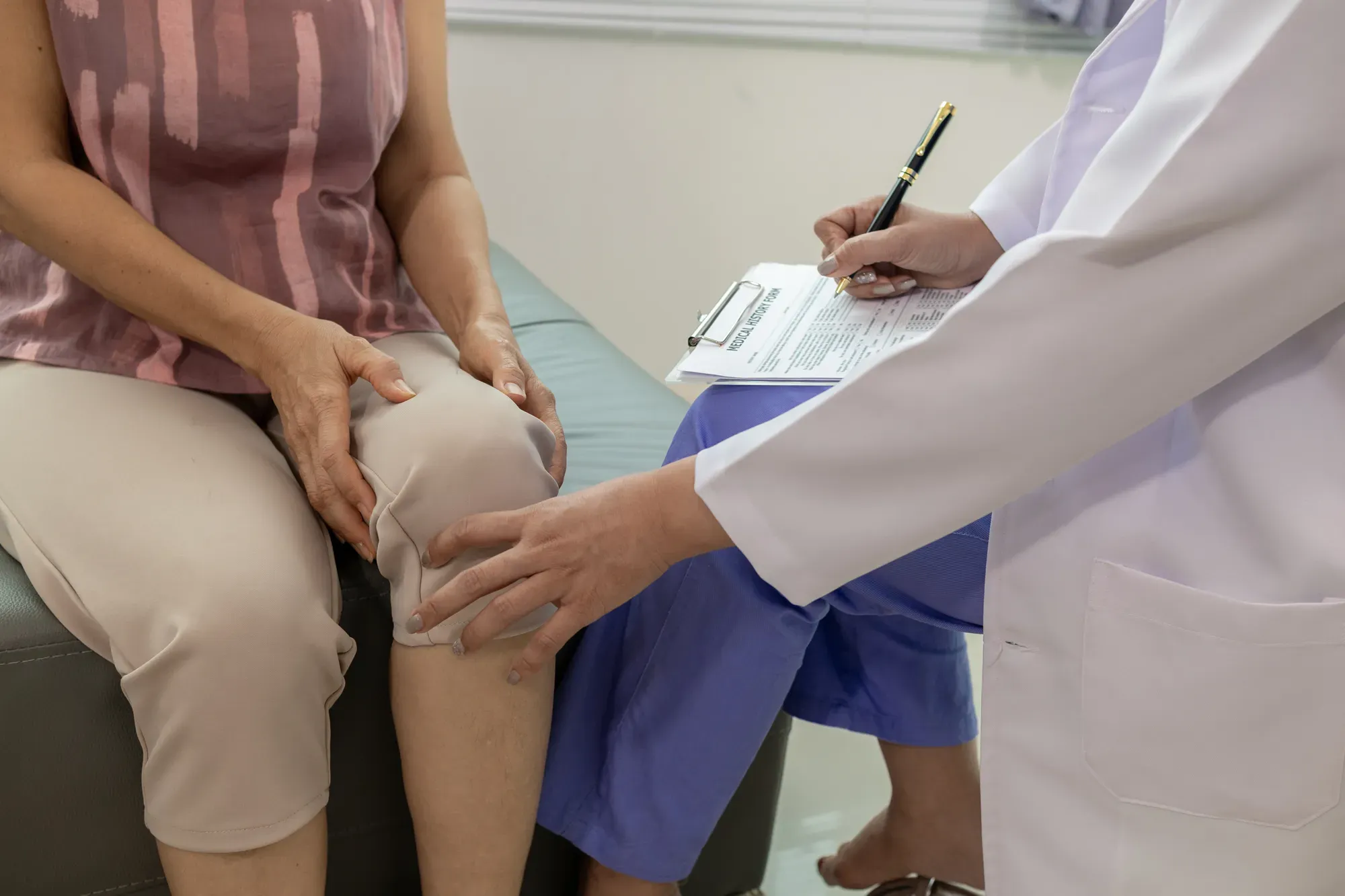
Protecting Knee Health with Early Specialist Evaluation
Cartilage damage in the knee can progress quietly, often becoming more difficult to manage if left unaddressed. Seeking early evaluation allows for timely intervention and a wider range of treatment options to help protect your joint. By taking action early, you can better preserve your knee function and maintain your mobility in the long term.
At Axis Orthopaedic Centre, we are committed to helping patients protect their joint health and maintain long-term mobility through early and effective care. Guiding patients through their treatment options is Dr Seng Chusheng, a former Consultant Orthopaedic Surgeon at Singapore General Hospital who has received the SingHealth Service With A Heart Award. If you have concerns about knee pain or cartilage damage, book a consultation to receive a comprehensive assessment and personalised care plan.
FAQs About Preventing Permanent Cartilage Loss

Dr Seng Chusheng
Senior Consultant Orthopaedic Surgeon (Sports & Exercise Medicine)
MBBS (Singapore), MRCS (Edinburgh), MMed (Orth), FRCS (Edinburgh)
Dr Seng Chusheng is a consultant orthopaedic surgeon with a clinical focus on foot, ankle, knee and shoulder surgery. He obtained his MBBS and Master of Medicine in Orthopaedic Surgery from the National University of Singapore and is a Fellow of the Royal College of Surgeons of Edinburgh.
He completed advanced training at the Assal Centre in Geneva, Switzerland, with emphasis on complex foot and ankle deformities, trauma and minimally invasive techniques. Prior to private practice, Dr Seng served as a consultant orthopaedic surgeon at Singapore General Hospital and continues to practise there as a visiting consultant. He is also involved in orthopaedic research, with publications in peer-reviewed journals and has received the Japanese Orthopaedic Association Travelling Fellowship.



Our Clinic Locations
With three conveniently located clinics across Singapore, Dr Seng provides accessible and comprehensive orthopaedic care closer to where you live and work. Each location is equipped to deliver accurate diagnosis, treatment, and rehabilitation for a wide range of musculoskeletal conditions.
Teleconsult Available
For foreign patients, a tele-consult on Zoom or WhatsApp can be done if pre-arranged in advance. Please email or WhatsApp first to enquire.
Opening Hours
Contact Details