







Knee Replacement Surgery: How to Prepare and What to Expect

Are you finding it increasingly difficult to manage knee pain despite trying medications or physiotherapy? If knee replacement surgery has been recommended, it is natural to have questions or even some uncertainty about what the procedure involves and how to prepare for it. You may be wondering what the surgery entails, how long recovery will take and how it may impact your daily life.
Having a clear understanding of each step, from preparation to recovery, can help you feel more informed, reassured and confident as you consider the next step towards improving your mobility and quality of life.
What Is Knee Replacement Surgery and When Is It Needed?
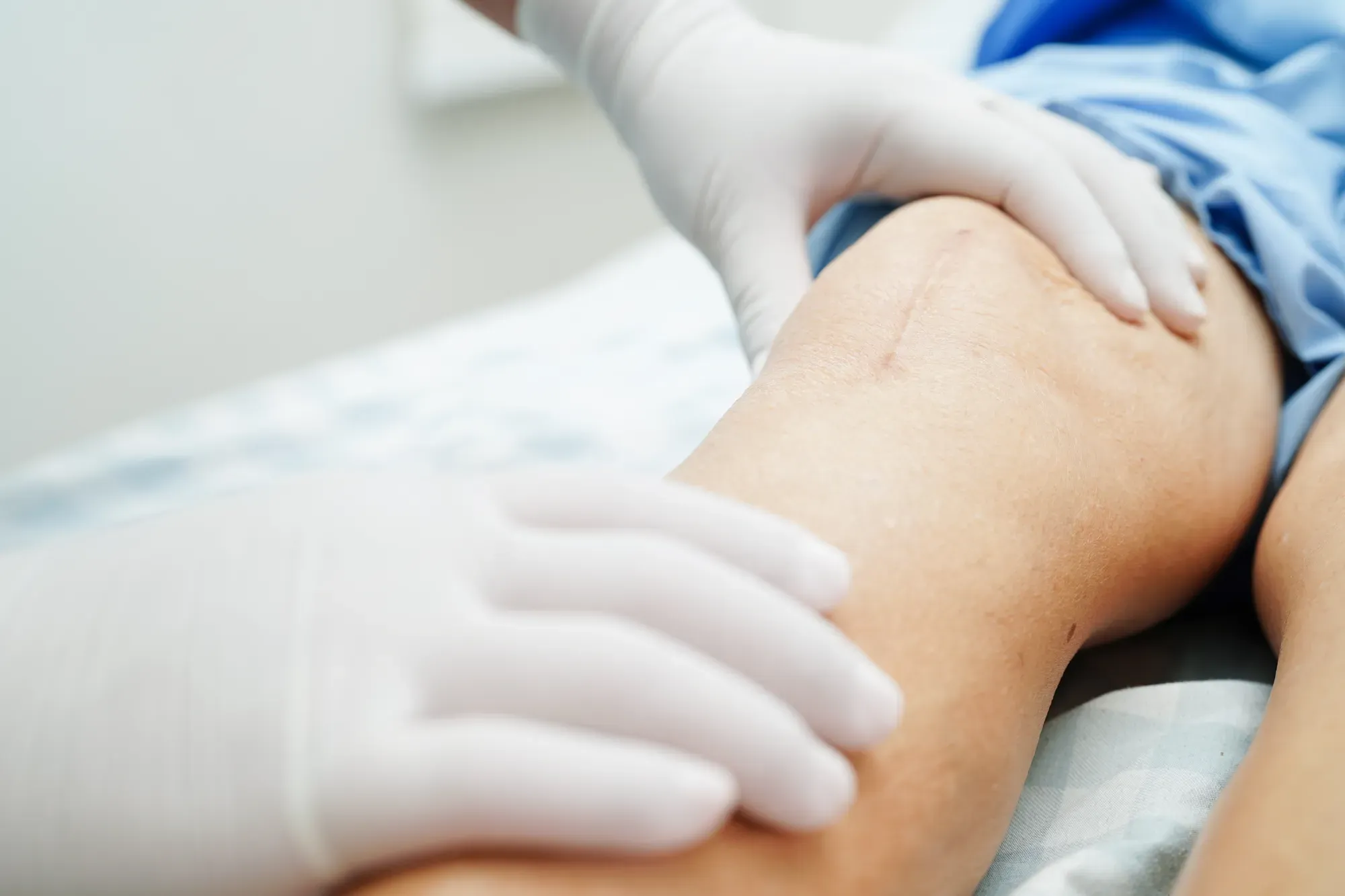
Knee replacement surgery is a procedure used to relieve severe knee pain and improve joint function when the knee has been significantly damaged. This damage is most commonly caused by conditions such as knee arthritis, where the protective cartilage within the joint wears down over time, leading to pain, stiffness, and reduced mobility.
During the procedure, the damaged surfaces of the knee joint are removed and replaced with an artificial implant designed to help improve movement and reduce discomfort. Depending on the extent of damage, this may involve a total or partial knee replacement, where either the entire joint or only the affected portion is treated.
Knee replacement surgery is typically considered when non-surgical treatments such as medication, physiotherapy, or lifestyle modifications no longer provide sufficient relief.
How to Prepare for Knee Replacement Surgery?
Preparing for knee replacement surgery can help support a smoother procedure and recovery. Taking the time to plan ahead allows you to feel more confident and better equipped for the process. Key steps to consider include:
Undergoing a pre-surgical assessment
Your doctor may recommend medical evaluations and imaging tests to ensure you are fit for surgery and to plan the procedure.Reviewing your medications
Certain medications may need to be adjusted or temporarily stopped before surgery. Always follow your doctor's guidance.Strengthening your muscles
Pre-surgery exercises or physiotherapy can help improve muscle strength around the knee, which may support recovery after surgery.Preparing your home environment
Making simple adjustments such as arranging frequently used items within reach or ensuring a safe walking space can make recovery more manageable.Planning for support during recovery
You may need assistance with daily activities in the initial stages after surgery, so it is helpful to arrange for help in advance.
What Happens During Knee Replacement Surgery?
Knee replacement surgery is a well-established procedure designed to relieve pain and restore function in a damaged knee joint. While the exact steps may vary slightly depending on whether a total or partial knee replacement is performed, the overall process follows a structured approach.
During the procedure:
Anaesthesia is administered
You will receive either general or regional anaesthesia to ensure you are comfortable throughout the surgery.The damaged joint surfaces are removed
The surgeon carefully removes the worn or damaged cartilage and bone from the knee joint.An artificial implant is placed
The joint surfaces are replaced with a prosthetic implant designed to replicate natural knee movement.The joint is aligned and secured
The implant is positioned precisely to ensure proper alignment, stability, and function.
The procedure typically takes a few hours to complete. Advances in surgical techniques and technology have made knee replacement surgery a safe and effective option for managing severe knee pain and improving mobility.
What Can You Expect After Knee Replacement Surgery?
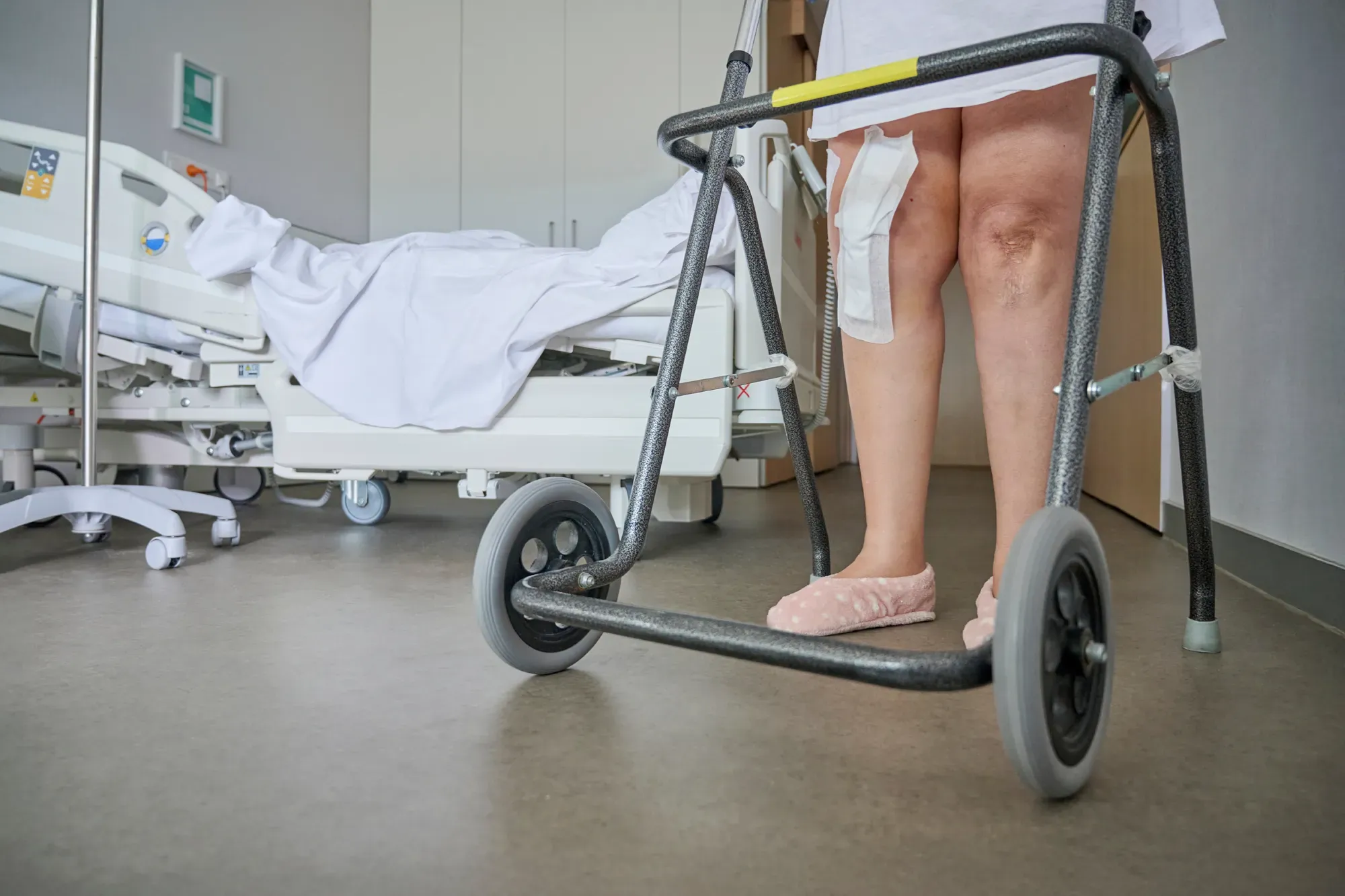
Recovery after knee replacement surgery is a gradual process that involves healing, rehabilitation, and a return to daily activities over time. Understanding what to expect can help you feel more prepared and confident during your recovery journey. After surgery, you can expect the following:
Hospital stay and early mobilisation
Most patients are encouraged to start moving the knee soon after surgery, often within the same day or the next, with guidance from healthcare professionals.Pain management
Pain and discomfort are expected initially, but these are managed with medications and supportive care to keep you comfortable.Physiotherapy and rehabilitation
Structured physiotherapy plays a key role in restoring strength, flexibility, and function in the knee.Gradual return to daily activities
Activities such as walking, climbing stairs, and light tasks can usually be resumed progressively, depending on your recovery.Long-term recovery and outcomes
Full recovery may take several months, with continued improvement in mobility and reduction in knee pain over time.
Approach Knee Replacement Surgery with Assurance and Clarity
Knee replacement surgery can be a significant step towards relieving pain and improving mobility when other treatments are no longer effective. Understanding how to prepare and what to expect can help you approach the process with greater confidence and clarity. With the right care and rehabilitation, many patients are able to return to daily activities with improved comfort and function.
At Axis Orthopaedic Centre, patients benefit from modern orthopaedic care grounded in the latest medical advancements. Led by Dr Seng Chusheng, a highly experienced orthopaedic surgeon who has successfully performed over a thousand surgeries, our team offers personalised treatment plans for knee conditions, including knee replacement surgery when appropriate. If you are considering knee replacement surgery or have any concerns about the procedure, book an appointment with our specialist for a detailed consultation.
FAQs About Knee Replacement Surgery and Recovery
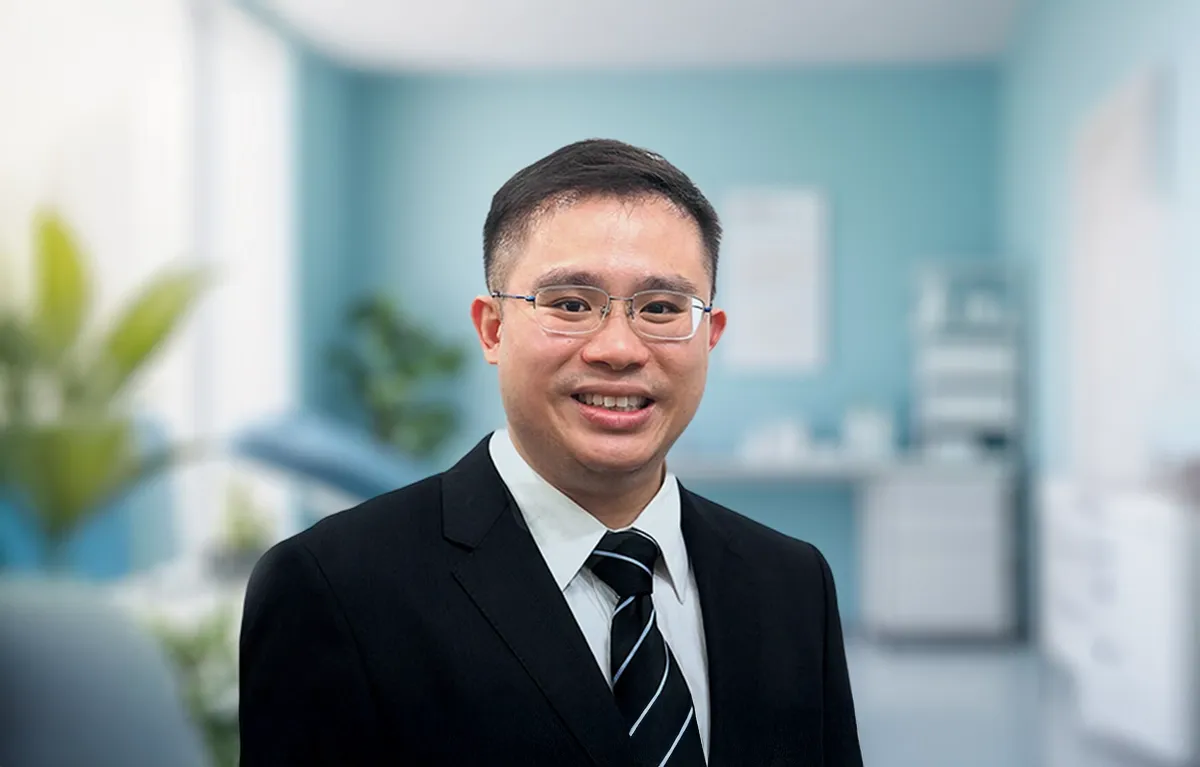
Dr Seng Chusheng
Senior Consultant Orthopaedic Surgeon (Sports & Exercise Medicine)
MBBS (Singapore), MRCS (Edinburgh), MMed (Orth), FRCS (Edinburgh)
Dr Seng Chusheng is a consultant orthopaedic surgeon with a clinical focus on foot, ankle, knee and shoulder surgery. He obtained his MBBS and Master of Medicine in Orthopaedic Surgery from the National University of Singapore and is a Fellow of the Royal College of Surgeons of Edinburgh.
He completed advanced training at the Assal Centre in Geneva, Switzerland, with emphasis on complex foot and ankle deformities, trauma and minimally invasive techniques. Prior to private practice, Dr Seng served as a consultant orthopaedic surgeon at Singapore General Hospital and continues to practise there as a visiting consultant. He is also involved in orthopaedic research, with publications in peer-reviewed journals and has received the Japanese Orthopaedic Association Travelling Fellowship.



Our Clinic Locations
With three conveniently located clinics across Singapore, Dr Seng provides accessible and comprehensive orthopaedic care closer to where you live and work. Each location is equipped to deliver accurate diagnosis, treatment, and rehabilitation for a wide range of musculoskeletal conditions.
Teleconsult Available
For foreign patients, a tele-consult on Zoom or WhatsApp can be done if pre-arranged in advance. Please email or WhatsApp first to enquire.
Opening Hours
Contact Details