


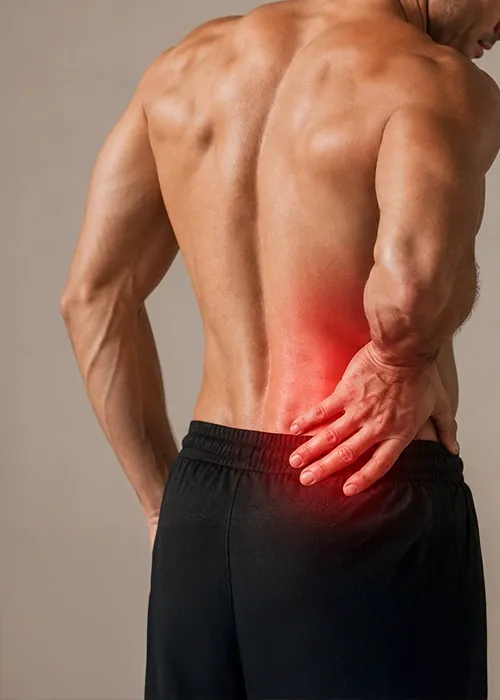

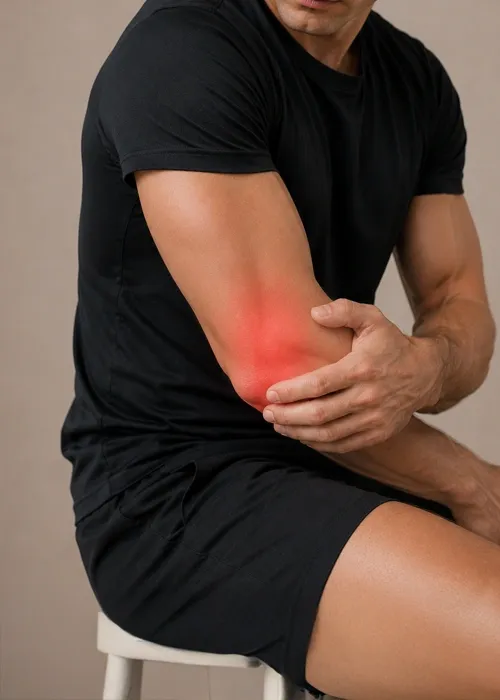
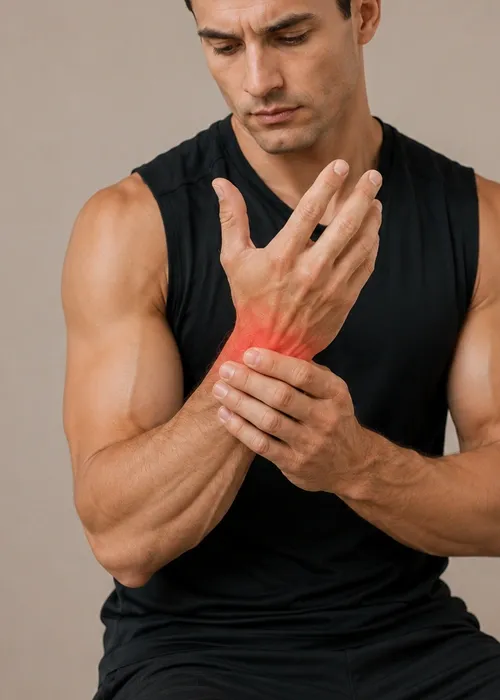

Preventing Overuse Injuries While Staying Active

You make time for exercise when you can. A long run on the weekend, a competitive game with friends, or an intense gym session squeezed between a busy schedule. It feels productive, even rewarding. But sometimes, the body does not adapt as quickly as the motivation.
For many “weekend warriors,” this pattern of stop-and-start activity can place unexpected stress on bones, muscles and tendons. What begins as a positive effort to stay active can gradually lead to overuse injuries such as stress fractures or tendonitis. Understanding how these injuries develop is the first step toward preventing them.
What Is Overuse and Why Does It Happen?

Overuse injuries occur when repeated stress is placed on the body without enough time for recovery. Instead of a single injury event, the damage builds up gradually over time, often affecting bones, muscles or tendons.
Common examples include stress fractures, where small cracks develop in the bone due to repetitive loading, and tendonitis, which involves irritation or inflammation of tendons from repeated use. Over time, this can also contribute to conditions such as knee pain or heel pain (plantar fasciitis), particularly in individuals who increase activity too quickly.
People who engage in irregular activity patterns may be at higher risk. Periods of low activity followed by sudden, intense exercise can place unexpected strain on the body. Without consistent conditioning, the tissues may not be prepared to handle this load, increasing the likelihood of injury.
How Overuse Injuries Typically Present
Overuse injuries often develop gradually, which can make early symptoms subtle and easy to overlook. Unlike acute injuries, there is usually no single moment when the problem begins.
You may notice:
- Pain that starts during or after activity but improves with rest
- Discomfort that returns each time you exercise
- Localised tenderness or stiffness, especially in the same area
- Mild swelling or tightness around joints or tendons
As the condition progresses, the pain may:
- Become more persistent
- Occur earlier during activity
- Continue even at rest
How to Prevent Overuse Injuries
Preventing overuse injuries starts with maintaining a balance between activity and recovery. Small adjustments to how you train and exercise can significantly reduce the risk of stress-related injuries. Key strategies include:
Progress gradually
Increase the intensity, duration or frequency of activity gradually rather than making sudden jumps.
Stay consistent with activity levels
Regular, moderate exercise is better tolerated by the body than long periods of inactivity followed by intense sessions.
Incorporate strength and conditioning
Building muscle strength helps support joints and absorb stress more effectively.
Use appropriate footwear and equipment
Proper support can reduce unnecessary strain, particularly on the feet, knees and ankles.
Allow adequate recovery time
Rest is essential for tissue repair. Scheduling rest days and varying activities can help prevent overload.
Listen to early warning signs
Addressing mild discomfort early can prevent progression to more serious injuries.
When Should You Seek Medical Advice?
While many overuse injuries can improve with rest and activity modification, certain symptoms may indicate the need for medical evaluation.
Persistent pain that does not improve with rest, or pain that worsens with activity should not be ignored. You may also notice localised tenderness or swelling that does not settle, or difficulty bearing weight or continuing your usual activities.
Recurring pain in the same area, especially after returning to exercise, can be a sign that the underlying issue has not fully resolved. In some cases, this may indicate a more significant injury such as a stress fracture or more advanced tendon irritation.
A medical evaluation can help confirm the diagnosis and guide appropriate management, whether through imaging, structured rehabilitation or activity modification.
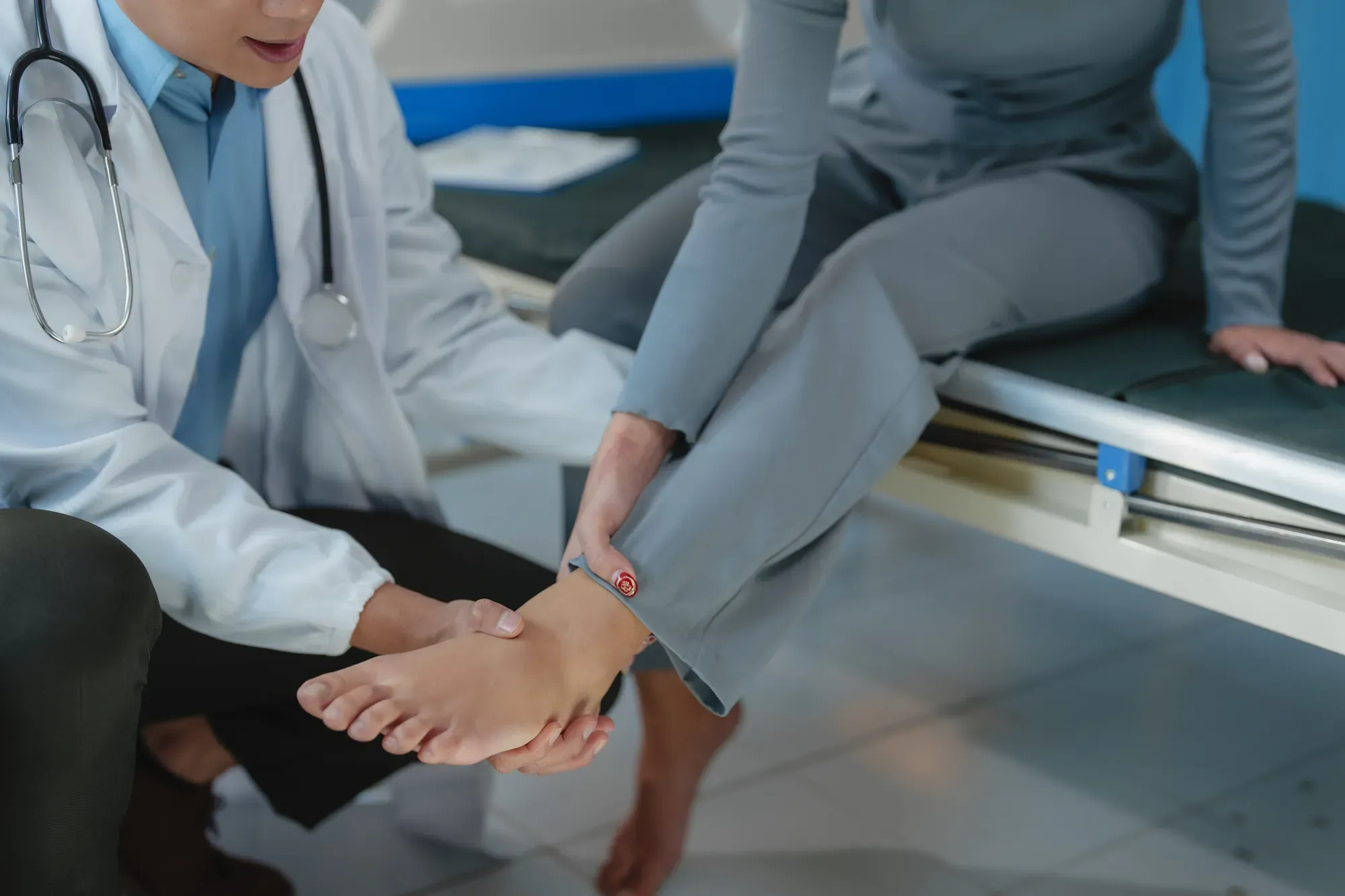
Preventing Overuse Injuries and Addressing Recurring Pain
Overuse injuries are often preventable with the right balance of activity, gradual progression and recovery. Paying attention to early warning signs and maintaining consistent training habits can help reduce the risk of more serious conditions.
Axis Orthopaedic Centre is an orthopaedic clinic in Singapore dedicated to helping patients stay active safely and recover from sports- and activity-related injuries. Patients are under the trusted care of Dr Seng Chusheng, who has undergone specialised fellowship training in Switzerland at the Assal Centre, a leading institution for foot and ankle care. If you are experiencing persistent pain, recurring discomfort during exercise or symptoms that continue despite rest, consider scheduling a consultation for a thorough assessment and personalised treatment plan tailored to your activity goals and lifestyle.
FAQs About Preventing Overuse Injuries
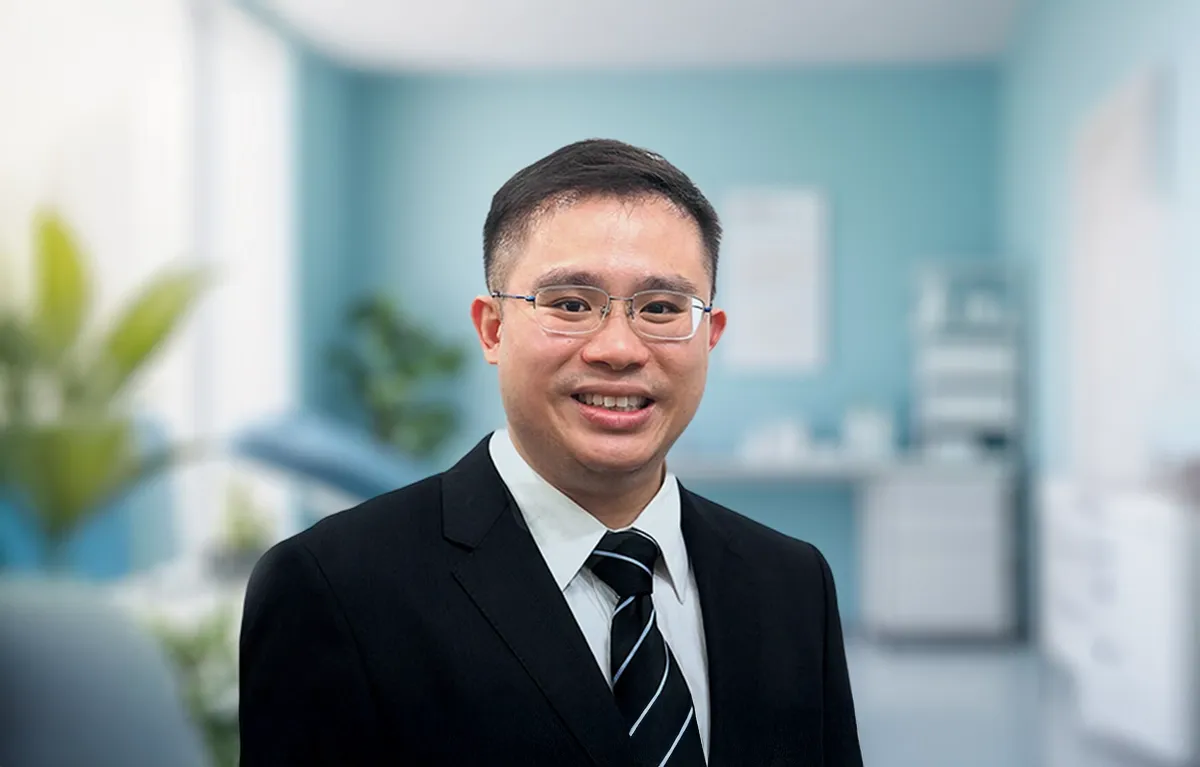
Dr Seng Chusheng
Senior Consultant Orthopaedic Surgeon (Sports & Exercise Medicine)
MBBS (Singapore), MRCS (Edinburgh), MMed (Orth), FRCS (Edinburgh)
Dr Seng Chusheng is a consultant orthopaedic surgeon with a clinical focus on foot, ankle, knee and shoulder surgery. He obtained his MBBS and Master of Medicine in Orthopaedic Surgery from the National University of Singapore and is a Fellow of the Royal College of Surgeons of Edinburgh.
He completed advanced training at the Assal Centre in Geneva, Switzerland, with emphasis on complex foot and ankle deformities, trauma and minimally invasive techniques. Prior to private practice, Dr Seng served as a consultant orthopaedic surgeon at Singapore General Hospital and continues to practise there as a visiting consultant. He is also involved in orthopaedic research, with publications in peer-reviewed journals and has received the Japanese Orthopaedic Association Travelling Fellowship.



Our Clinic Locations
With three conveniently located clinics across Singapore, Dr Seng provides accessible and comprehensive orthopaedic care closer to where you live and work. Each location is equipped to deliver accurate diagnosis, treatment, and rehabilitation for a wide range of musculoskeletal conditions.
Teleconsult Available
For foreign patients, a tele-consult on Zoom or WhatsApp can be done if pre-arranged in advance. Please email or WhatsApp first to enquire.
Opening Hours
Contact Details