





Insertional vs. Mid-Substance Achilles Tendinopathy

You may notice it as a dull ache at the back of your ankle after a run, or stiffness with your first steps in the morning. Achilles pain is a common issue, especially among active individuals, but it is not always straightforward.
Symptoms can develop gradually, vary in location and feel different from person to person. Because of this, what may seem like a minor strain can sometimes point to a more specific underlying problem.
Understanding how Achilles pain presents and why it differs between individuals is key to managing it effectively and preventing it from becoming a long-term issue.
What Is Achilles Tendinopathy?

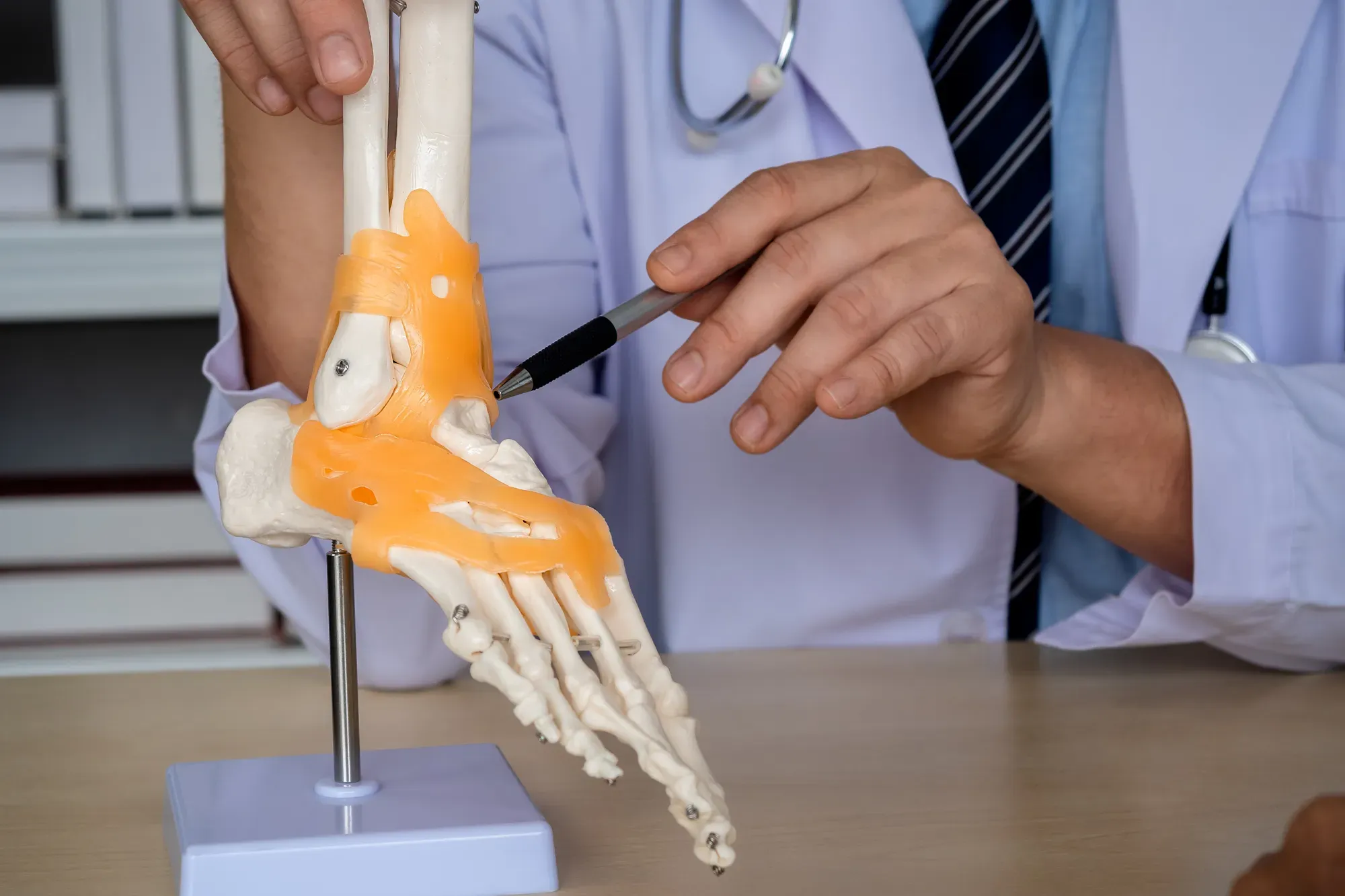
The Achilles tendon is the strong band of tissue that connects your calf muscles to your heel bone. It plays a key role in foot and ankle movement, such as walking, running and pushing off the ground. Because it is exposed to significant stress during activity, it is particularly vulnerable to repetitive strain.
Achilles tendinopathy is a condition in which the tendon becomes irritated and less able to handle load. It usually develops gradually rather than from a single injury. Repeated stress without adequate recovery can lead to small changes within the tendon, resulting in pain, stiffness and reduced performance.
This condition is commonly seen in runners and active individuals, especially after a sudden increase in training intensity, frequency or duration. Tight calf muscles, poor conditioning and insufficient recovery can also contribute.
Insertional vs Mid-Substance Achilles Tendinopathy
Achilles tendinopathy can affect different parts of the tendon, and the location of the problem often influences how symptoms present and how the condition is managed. The two main types are insertional Achilles tendinopathy and mid-substance Achilles tendinopathy.
Insertional Achilles Tendinopathy
This affects the lower portion of the tendon where it attaches to the heel bone.
Common features include:
- Pain at the back of the heel
- Discomfort when wearing certain shoes
- Pain during deep ankle bending, such as walking uphill or squatting
- Tenderness near the heel attachment
Mid-Substance Achilles Tendinopathy
This occurs higher up the tendon, usually a few centimetres above the heel.
Common features include:
- Pain or stiffness within the tendon itself
- Tendon thickening
- Symptoms during or after running or jumping
- Discomfort that improves after warming up but returns later
Although both conditions involve the same tendon, they can behave differently. Identifying where the pain is located helps guide treatment and reduce the risk of ongoing irritation.
Common Symptoms and When to Be Concerned
Achilles tendinopathy often develops gradually, which can make early symptoms easy to overlook. Many people first notice a mild ache or stiffness in the back of the ankle, especially during the first few steps in the morning or at the start of activity. This discomfort may improve as you warm up, only to return later.
As the condition progresses, symptoms may become more noticeable. Pain can start to appear earlier during exercise, last longer after activity or feel more persistent throughout the day. You may also notice tenderness when pressing on the tendon, slight swelling or a feeling of tightness in the calf.
Certain signs may indicate a more serious issue and should not be ignored. These include:
- Pain that does not improve with rest
- Increasing difficulty with walking, running, or pushing off the foot
- Recurring pain in the same area despite reducing activity
- A sudden sharp pain or a “snap” sensation, which may suggest a tear
How Achilles Tendinopathy Is Diagnosed
Diagnosing Achilles tendinopathy begins with a detailed clinical assessment. This usually involves discussing your symptoms, activity levels and any recent changes in training or routine. A physical examination helps identify the exact location of pain, assess tendon tenderness or thickening and evaluate how the tendon responds to movement and load.
In many cases, a clinical evaluation is sufficient to distinguish between insertional and mid-substance tendinopathy. However, imaging may be recommended if the diagnosis is unclear or if symptoms are persistent. Ultrasound can help assess tendon structure and detect areas of degeneration, while MRI may be used to evaluate more complex cases or rule out partial tears.
Treatment Options for Achilles Tendinopathy
Treatment depends on the type of tendinopathy, the severity of symptoms and how long the condition has been present. In many cases, non-surgical management is effective.
Common approaches include:
Activity modification
Reducing or adjusting activities that place excessive strain on the tendon instead of relying on complete rest.
Structured physiotherapy
Guided strengthening exercises to improve the tendon’s ability to tolerate load. Programmes may differ for insertional and mid-substance tendinopathy.
Calf stretching and conditioning
Improving flexibility and calf muscle support to reduce strain on the tendon.
Footwear and biomechanical adjustments
Supportive footwear or orthotics may help reduce stress on the foot and ankle during daily activities.
Gradual return to activity
A gradual and controlled progression helps prevent recurrence and supports long-term recovery.
If symptoms persist despite these measures, further evaluation may be needed. A foot and ankle specialist can help confirm the diagnosis and tailor a treatment plan to reduce the risk of ongoing or worsening injury.
Finding the Right Approach to Achilles Pain Management
Achilles tendinopathy can vary in presentation, but identifying the type and addressing symptoms early can make a meaningful difference in recovery. A structured approach to management, guided by an accurate diagnosis, helps reduce the risk of persistent pain or further injury.
Axis Orthopaedic Centre is an orthopaedic clinic in Singapore dedicated to helping patients regain their independence and return to pain-free activity. Patient care is led by Dr Seng Chusheng, who has undergone specialised fellowship training in Switzerland at the Assal Centre, a leading institution for foot and ankle care. If you are experiencing persistent Achilles pain, consider scheduling a consultation for a thorough assessment and a personalised treatment plan to help you return to your usual activities safely.
FAQs About Achilles Tendinopathy
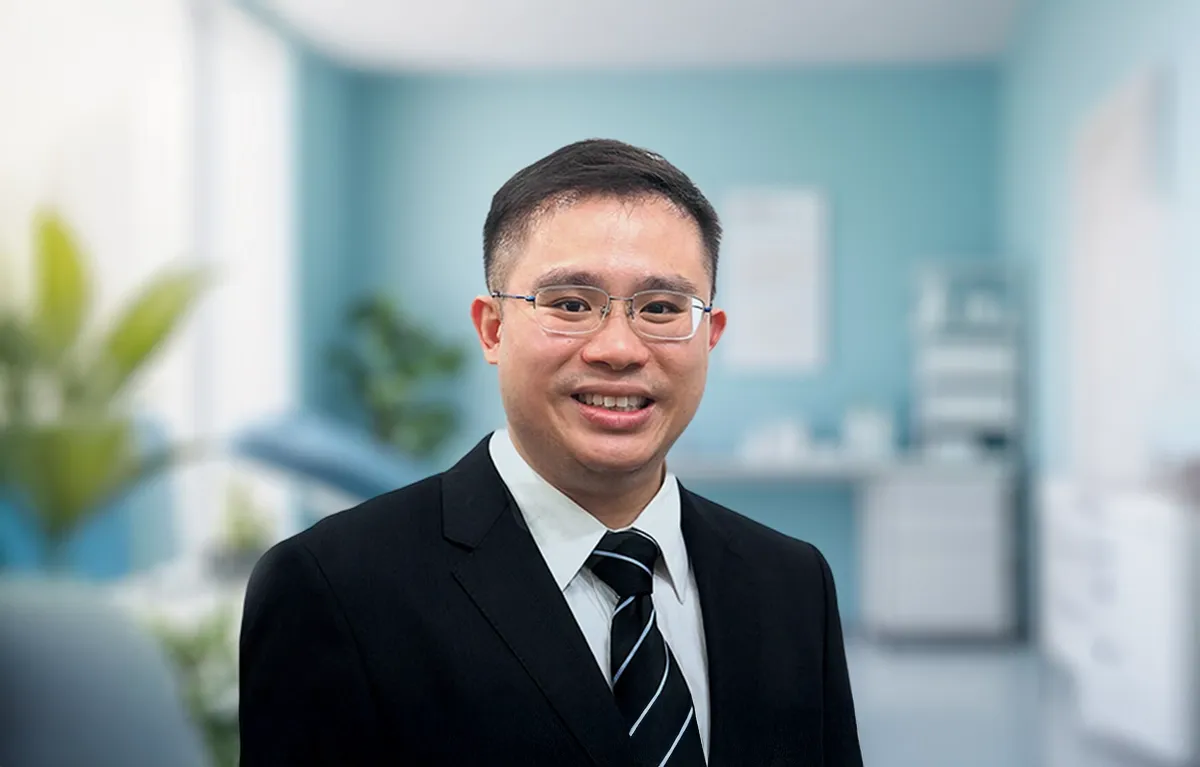
Dr Seng Chusheng
Senior Consultant Orthopaedic Surgeon (Sports & Exercise Medicine)
MBBS (Singapore), MRCS (Edinburgh), MMed (Orth), FRCS (Edinburgh)
Dr Seng Chusheng is a consultant orthopaedic surgeon with a clinical focus on foot, ankle, knee and shoulder surgery. He obtained his MBBS and Master of Medicine in Orthopaedic Surgery from the National University of Singapore and is a Fellow of the Royal College of Surgeons of Edinburgh.
He completed advanced training at the Assal Centre in Geneva, Switzerland, with emphasis on complex foot and ankle deformities, trauma and minimally invasive techniques. Prior to private practice, Dr Seng served as a consultant orthopaedic surgeon at Singapore General Hospital and continues to practise there as a visiting consultant. He is also involved in orthopaedic research, with publications in peer-reviewed journals and has received the Japanese Orthopaedic Association Travelling Fellowship.



Our Clinic Locations
With three conveniently located clinics across Singapore, Dr Seng provides accessible and comprehensive orthopaedic care closer to where you live and work. Each location is equipped to deliver accurate diagnosis, treatment, and rehabilitation for a wide range of musculoskeletal conditions.
Teleconsult Available
For foreign patients, a tele-consult on Zoom or WhatsApp can be done if pre-arranged in advance. Please email or WhatsApp first to enquire.
Opening Hours
Contact Details