







Chronic Instability: When to See a Foot and Ankle Specialist

It can be frustrating when a joint never quite feels the same after an injury. What may have started as a simple sprain or strain can turn into a lingering sense of weakness or instability, making you hesitant to move with confidence. Over time, repeated episodes of your joint "giving way" can begin to affect your daily activities, exercise, and overall quality of life.
This may be a sign of chronic joint instability, a condition that can affect areas such as the ankle, shoulder, or knee. Understanding what this means and when to seek help can make an important difference in restoring stability and preventing further injury.
What Is Chronic Joint Instability?

Chronic joint instability refers to a condition where a joint loses its ability to remain stable during movement, often following an initial injury such as a sprain or ligament tear. While many injuries heal with time, some joints may not fully recover, leading to ongoing instability and a higher risk of re-injury.
This commonly occurs when ligaments, which are the structures that stabilise the joint, are stretched or damaged and do not regain their original strength.
As a result, the joint may struggle to maintain proper alignment during movement, especially during physical activity or sports. Chronic instability can affect different parts of the body, particularly the foot and ankle, shoulder and knee.
How Does Chronic Instability Affect Different Joints?
Chronic instability can affect different joints in the body, particularly those that are frequently used or have previously been injured. While the underlying issue involves weakened or stretched ligaments, the impact on movement and function may vary depending on the joint involved. Commonly affected joints include:
Foot & ankle
Chronic instability in the ankle is most often linked to previous ankle sprains, which can affect stability during walking, running, or on uneven surfaces.
Knee
Knee instability is frequently associated with ligament injuries such as an anterior cruciate ligament (ACL) tear or meniscus tears, which can affect the joint's ability to support dynamic movements.
Shoulder
The shoulder joint relies heavily on soft tissue support and instability may develop after dislocations or injuries such as rotator cuff tears, affecting control during arm movements.
What Are the Signs of Chronic Joint Instability?
Chronic joint instability often develops gradually, and the symptoms may become more noticeable over time. While the exact experience can vary depending on the joint affected, there are several common signs that may indicate ongoing instability. These include:
A repeated "giving way" sensation
The joint may feel like it cannot support your weight during movement.
Frequent re-injury or recurring sprains
The same joint may be injured multiple times, even during low-impact activities.
Persistent discomfort or swelling
Symptoms may linger long after the initial injury has healed.
A feeling of looseness or lack of control
The joint may not feel stable during everyday movements.
Reduced confidence in movement
You may hesitate to put full weight on the joint or avoid certain activities.
Why Should Chronic Joint Instability Not Be Ignored?
Chronic joint instability may seem manageable at first, especially if symptoms are mild or intermittent. However, without appropriate treatment, repeated stress on an unstable joint can lead to progressive damage over time.
Each episode of instability can place additional strain on the ligaments and surrounding structures, increasing the risk of further injury. Over time, this may also affect the cartilage within the joint, potentially leading to long-term conditions such as joint degeneration or early ankle arthritis, particularly in weight-bearing joints.
Beyond physical damage, ongoing instability can impact your confidence in movement and limit your ability to stay active. Addressing the condition early can help prevent these complications and support better long-term joint function.
When Should You See a Foot and Ankle Specialist?
While some joint injuries improve with time and proper care, ongoing instability may indicate that the joint has not fully healed. If symptoms persist or begin to affect your confidence in movement, it may be time to seek professional evaluation. You should consider seeing a specialist if you:
- Do not recover as expected after an injury
- Experience repeated setbacks during rehabilitation
- Find that instability is affecting your daily activities or sports
- Feel hesitant or lack confidence when bearing weight or moving the joint
- Notice that symptoms persist despite rest or physiotherapy
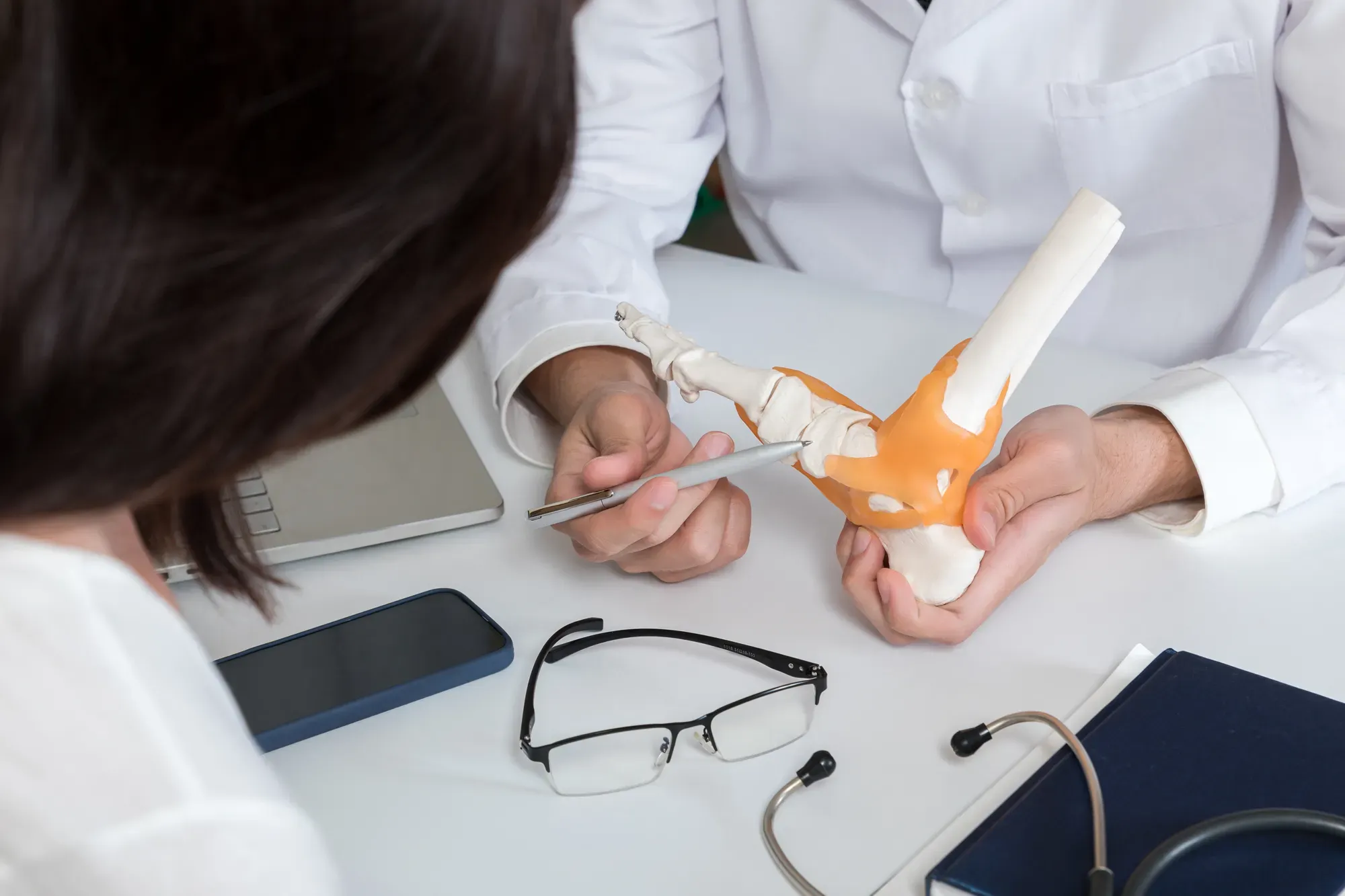
Regaining Confidence in Movement After Chronic Joint Instability
Chronic joint instability can affect more than just your movement. It can impact your confidence and increase the risk of further injury if left unaddressed. Recognising the condition early and seeking appropriate care can help restore stability and reduce the likelihood of long-term complications in affected joints such as the ankle, knee, or shoulder. If your symptoms persist or begin to interfere with your daily activities, a professional assessment can guide you towards the right treatment and recovery plan.
At Axis Orthopaedic Centre, we provide comprehensive care for a wide range of orthopaedic conditions, including chronic instability and sports-related injuries. The clinic is helmed by Dr Seng Chusheng, who brings advanced subspecialty training in foot and ankle surgery, including experience from leading centres in Switzerland. If you are experiencing chronic instability, schedule a consultation with our specialist for an expert assessment and a tailored management plan.
FAQs About Chronic Instability

Dr Seng Chusheng
Senior Consultant Orthopaedic Surgeon (Sports & Exercise Medicine)
MBBS (Singapore), MRCS (Edinburgh), MMed (Orth), FRCS (Edinburgh)
Dr Seng Chusheng is a consultant orthopaedic surgeon with a clinical focus on foot, ankle, knee and shoulder surgery. He obtained his MBBS and Master of Medicine in Orthopaedic Surgery from the National University of Singapore and is a Fellow of the Royal College of Surgeons of Edinburgh.
He completed advanced training at the Assal Centre in Geneva, Switzerland, with emphasis on complex foot and ankle deformities, trauma and minimally invasive techniques. Prior to private practice, Dr Seng served as a consultant orthopaedic surgeon at Singapore General Hospital and continues to practise there as a visiting consultant. He is also involved in orthopaedic research, with publications in peer-reviewed journals and has received the Japanese Orthopaedic Association Travelling Fellowship.



Our Clinic Locations
With three conveniently located clinics across Singapore, Dr Seng provides accessible and comprehensive orthopaedic care closer to where you live and work. Each location is equipped to deliver accurate diagnosis, treatment, and rehabilitation for a wide range of musculoskeletal conditions.
Teleconsult Available
For foreign patients, a tele-consult on Zoom or WhatsApp can be done if pre-arranged in advance. Please email or WhatsApp first to enquire.
Opening Hours
Contact Details