



Can Bunions Be Treated Without Surgery?

Surgery is usually considered a last option in medical care and is often recommended only when simpler treatments are no longer effective. When it comes to bunions, however, surgery may eventually be needed because the condition tends to worsen over time.
Many patients may still ask whether bunions can be managed without surgery. Although non-surgical treatments cannot correct the underlying deformity, they can still help to relieve discomfort and may slow further progression of the bunion. The key lies in recognising the signs early, carefully evaluating non-surgical options and seeking professional guidance from a specialist.
Non-Surgical Treatments for Bunions
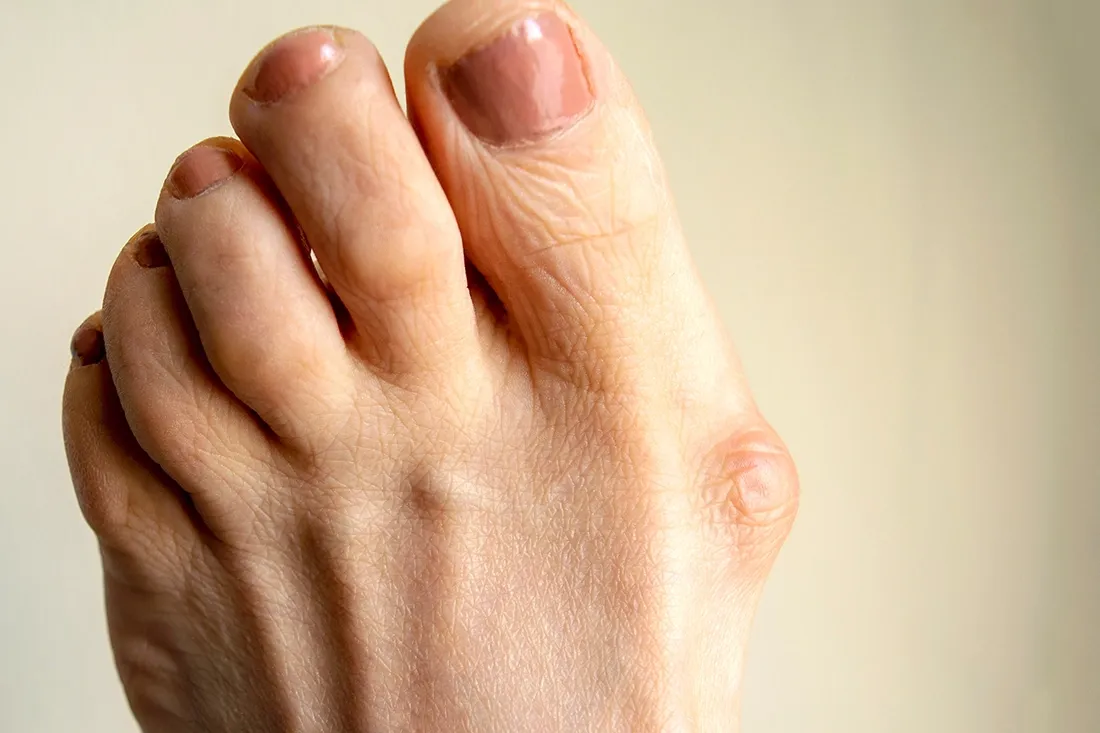
The good news is that for many people, bunion symptoms can be managed without surgery, especially in the early stages. Non-surgical treatments focus on relieving pain, reducing pressure on the joint and supporting daily activities. Common options include:
Footwear Modifications
Choosing suitable footwear can help reduce pressure on a bunion and ease discomfort. Tight or narrow shoes tend to crowd the toes and increase friction over the affected joint, which can worsen pain and irritation.
When selecting shoes, look for the following features:
- Wide toe box to allow the toes to rest comfortably without compression.
- Good arch support to improve overall foot alignment and mechanics.
- Low heels, as heels higher than two inches place added stress on the forefoot.
- Soft, flexible materials such as supple leather or stretchable fabric that can accommodate the bunion's shape.
Bunion Pads or Cushions
Over-the-counter bunion pads, often made from gel or moleskin, can provide a protective barrier between the bunion and your shoe. This cushioning helps to reduce friction and prevent irritation, calluses and blisters from forming over the bony prominence.
Toe Separators
Toe separators are devices placed between the big toe and the second toe to help improve alignment and reduce pressure on the joint. Typically made of silicone, they can be worn inside shoes during the day or while resting. These separators can help to relieve discomfort, though they do not permanently correct alignment.
Insoles or Orthotic Devices
Orthotic devices are inserts placed inside your shoes to help correct biomechanical issues and improve foot alignment. While over-the-counter insoles can provide some cushioning and arch support, custom orthotics are prescribed by a specialist and are moulded to the specific contours of your feet. They work by redistributing pressure evenly across the foot, which can reduce strain on the big toe joint.
Anti-Inflammatory Measures
When the bunion becomes inflamed and painful, several home remedies can help reduce swelling and provide relief, including:
Medication
Non-steroidal anti-inflammatory drugs (NSAIDs) can be effective for short-term pain relief, although these should be used as directed by a healthcare professional.
Cold and Hot Therapy
Applying an ice pack for 10-20 minutes can constrict blood vessels, reducing swelling and numbing pain. Conversely, warm soaks can help relax sore muscles and stiff joints.
Physiotherapy
Specific exercises and stretches recommended by a physiotherapist can help maintain joint flexibility and strengthen the muscles in the foot, which may provide pain relief. Exercises like toe curls and marble pick-ups can help maintain joint mobility in the big toe and alleviate tension.
Night Splints
Night splints are worn while sleeping to hold the big toe in a straighter position. The splint applies a gentle stretch to the soft tissues around the joint, which can help to alleviate discomfort and stiffness experienced in the morning. While they can provide symptomatic relief, like other non-surgical options, they do not offer permanent correction.
Limitations of Non-surgical Treatments for Bunions
Non-surgical treatments for bunions are primarily aimed at symptom management rather than correction of the deformity itself. While these approaches can ease pain, reduce inflammation and improve comfort, they cannot realign the bones or reverse structural changes in the joint.
As bunions are typically progressive, symptoms may continue to worsen over time despite conservative care. This is particularly true if underlying biomechanical issues persist. In more advanced cases, non-surgical options may offer only temporary relief and gradually become less effective as the bunion enlarges or stiffness increases.
When Should Bunion Surgery Be Considered?
Surgery is typically recommended for cases where conservative treatments have failed to provide adequate relief, and the bunion significantly impacts an individual's daily life. Foot specialists may discuss surgical options if you experience:
- Persistent or severe foot pain that limits daily activities, such as walking.
- A noticeable increase in the size of the bunion.
- Drifting of the big toe towards the smaller toes, leading to other foot problems like hammertoes.
- Difficulty finding shoes that fit comfortably.
- Stiffness in the big toe that restricts its movement.
- Signs of infection, such as significant redness, warmth and swelling.
Timely Bunion Treatment and Surgery at Axis Orthopaedic Centre
In conclusion, while bunions can often be managed without surgery in their early stages, non-surgical treatments are best viewed as measures to relieve symptoms and slow progression rather than permanent solutions. Consulting a bunion specialist allows for timely intervention and a personalised treatment plan, helping patients make confident decisions about their foot health and overall quality of life.
At Axis Orthopaedic Centre, our practice is rooted in our commitment to helping patients resume the lifestyles and activities that they enjoy. The team is led by Dr Seng Chusheng, who has extensive experience in a wide range of surgical techniques such as complex fracture fixation and bunion surgery. If you are experiencing bunion pain or have concerns about your foot health, schedule a consultation to receive a tailored assessment and discuss the most appropriate treatment options.

Dr Seng Chusheng
Senior Consultant Orthopaedic Surgeon (Sports & Exercise Medicine)
MBBS (Singapore), MRCS (Edinburgh), MMed (Orth), FRCS (Edinburgh)
Dr Seng Chusheng is an orthopaedic surgeon in Singapore with a clinical focus on minimally invasive foot surgery, including bunions and other foot deformities. He has over 10 years of experience and adopts a patient-centred approach, tailoring treatment plans to individual clinical needs.
Before entering private practice, Dr Seng was a consultant orthopaedic surgeon at Singapore General Hospital, where he received the SingHealth Service With A Heart Award. He has also presented at orthopaedic conferences, including the American Academy of Orthopaedic Surgeons Annual Scientific Meeting.



Our Clinic Locations
With three conveniently located clinics across Singapore, Dr Seng provides accessible and comprehensive orthopaedic care closer to where you live and work. Each location is equipped to deliver accurate diagnosis, treatment, and rehabilitation for a wide range of musculoskeletal conditions.
Teleconsult Available
For foreign patients, a tele-consult on Zoom or WhatsApp can be done if pre-arranged in advance. Please email or WhatsApp first to enquire.
Opening Hours
Contact Details