







How Are Sports Injuries Assessed by an Orthopaedic Specialist?

Orthopaedic specialists assess sports injuries through a structured process that includes medical history, physical examination, movement analysis, and imaging when needed. This approach identifies the injury, assesses its severity, and detects underlying factors that may affect recovery or increase the risk of recurrence.
A comprehensive assessment not only diagnoses the current injury but also evaluates how your body moves and functions to prevent future problems.
Key Takeaways

- Orthopaedic specialists diagnose sports injuries through history-taking, physical examination, and movement assessment
- The assessment identifies both the injury and underlying causes such as instability or muscle imbalance
- Imaging tests are used when needed to confirm the diagnosis and assess severity
- A comprehensive evaluation helps guide targeted treatment and reduce the risk of recurrence
- You should seek specialist assessment if pain persists, worsens, or affects movement
How Do Specialists Diagnose Sports Injuries?
Orthopaedic specialists diagnose sports injuries through a structured process that identifies both the injury and its underlying causes. The goal is not only to determine what the injury is, but also why it occurred and how it may affect movement and recovery.
The process typically includes:
Medical History
Your symptoms, previous injuries, activity level, and how the injury occurred are reviewed to identify patterns and potential risk factors.
Physical Examination
The injured area is assessed for pain, swelling, range of motion, and joint stability. Specific clinical tests may be used to evaluate ligaments, tendons, or cartilage.
Movement and Biomechanical Assessment
Your movement patterns are analysed during activities such as walking, squatting, or running. This helps identify imbalances or compensatory movements that may contribute to injury.
Strength and Stability Testing
Muscle strength, flexibility, and joint support are evaluated to detect weaknesses, tightness, or instability.
Functional Assessment
The specialist assesses how the injury affects real-world movement, including balance, coordination, and weight-bearing ability.
The findings from this assessment are then used to make a diagnosis and determine the severity of the injury. If needed, imaging tests such as X-rays, MRI scans, or ultrasound may be performed to confirm the diagnosis and evaluate bone and soft tissue structures more clearly.
What an Orthopaedic Assessment Reveals About a Sports Injury
An orthopaedic assessment does more than identify the type of injury. It provides a deeper understanding of how the injury occurred, how severe it is, and what factors may affect recovery.
From this evaluation, a specialist can determine:
The Exact Diagnosis and Severity
This includes identifying the specific structure involved (e.g. ligament, tendon, cartilage) and whether the injury is mild, moderate, or severe. Common diagnoses include anterior cruciate ligament (ACL) injuries, meniscus tears, and ankle sprains, depending on the joint affected.
Underlying Causes of the Injury
Movement patterns, muscle imbalances, or joint instability may have contributed to the injury. Identifying these factors helps explain why the injury occurred and can highlight risks for conditions such as heel pain (plantar fasciitis) or recurring joint issues.
Impact on Movement and Function
The assessment shows how the injury affects strength, stability, range of motion, and overall mobility in daily activities or sports. For example, knee injuries may lead to ongoing knee pain or difficulty with weight-bearing movements.
Risk of Recurrence or Chronic Problems
Previous injuries, incomplete rehabilitation, or ongoing instability can increase the likelihood of re-injury or long-term complications. In some cases, this may contribute to degenerative conditions such as ankle arthritis over time.
Appropriate Treatment Approach
Findings from the assessment guide decisions on whether treatment should focus on physiotherapy, activity modification, injections, or, in some cases, surgery. For certain conditions, minimally invasive procedures such as ankle arthroscopy may be considered to restore joint function.
By identifying both the injury and its contributing factors, an orthopaedic assessment ensures that treatment addresses not just symptoms, but the root cause. This supports more effective recovery and reduces the risk of future injury.
When Should You See an Orthopaedic Specialist?
You should consider seeing an orthopaedic specialist if your symptoms do not improve or interfere with your daily activities. Early assessment can help identify the underlying cause of injury and prevent further complications.
Seek medical evaluation if you experience:
- Pain that persists for more than a few days
- Swelling, instability, or a joint that feels like it may "give way"
- Difficulty bearing weight or moving normally
- Reduced range of motion or stiffness that does not improve
- Symptoms that worsen with activity or return repeatedly
It is also advisable to seek assessment if you have a history of previous injuries, as this may increase the risk of re-injury or delayed healing.
Early diagnosis and treatment can improve recovery outcomes and reduce the likelihood of long-term joint problems.
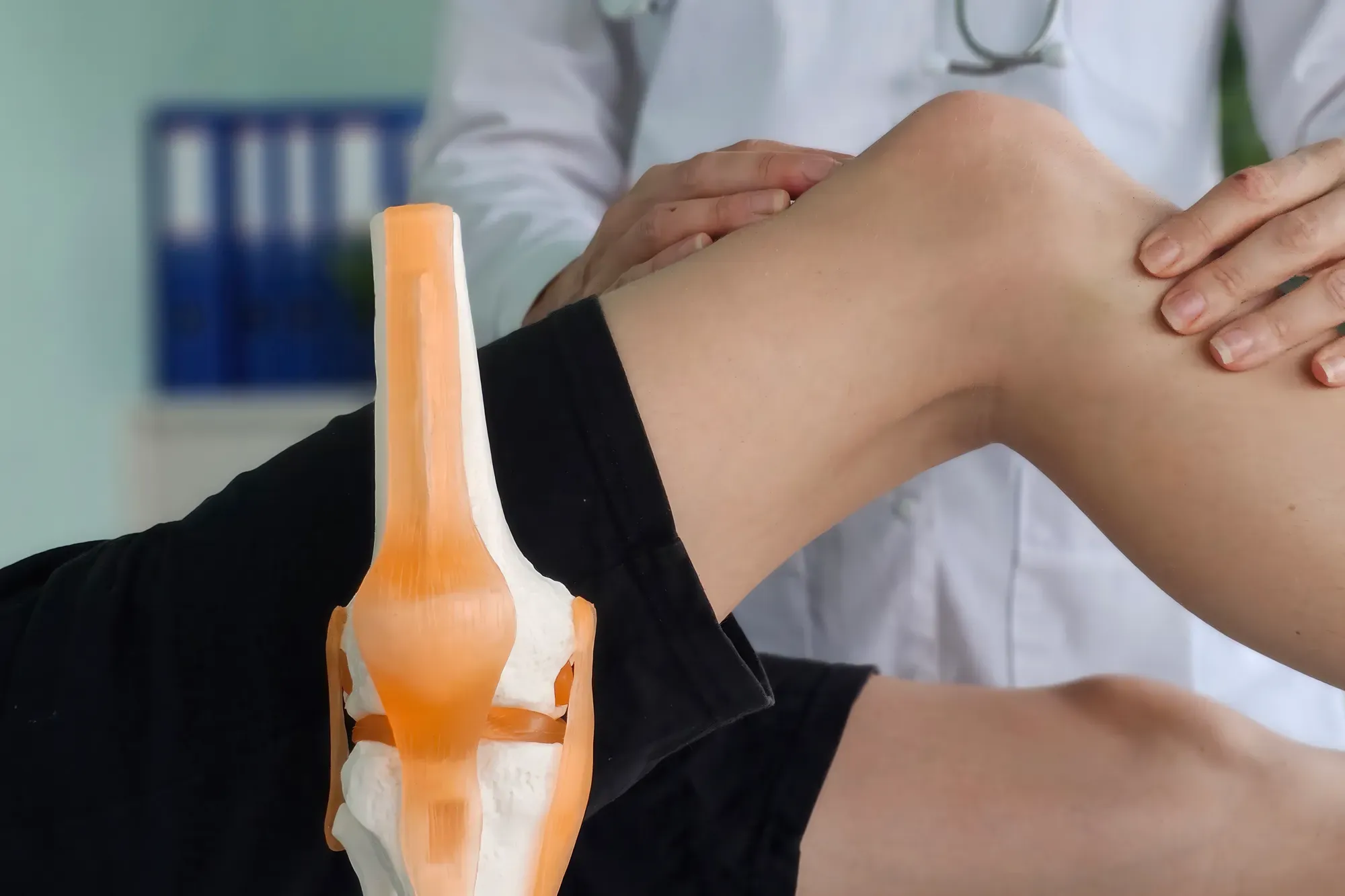
Detailed Sports Injury Assessment with Dr Seng Chusheng
Sports injuries are not always preventable, but understanding your risk factors and seeking early assessment can make a significant difference in recovery and long-term joint health. A structured evaluation by an orthopaedic specialist helps identify underlying issues and guide appropriate treatment.
At Axis Orthopaedic Centre, patients benefit from comprehensive orthopaedic care in a modern and supportive environment. Sports injuries and joint conditions are assessed by Dr Seng Chusheng, who has over a decade of experience and has performed more than a thousand surgeries. If you are dealing with a sports injury, consult our specialist for an early evaluation to prevent further complications.
FAQs About Orthopaedic Assessment for Sports Injuries

Dr Seng Chusheng
Senior Consultant Orthopaedic Surgeon (Sports & Exercise Medicine)
MBBS (Singapore), MRCS (Edinburgh), MMed (Orth), FRCS (Edinburgh)
Dr Seng Chusheng is a consultant orthopaedic surgeon with a clinical focus on foot, ankle, knee and shoulder surgery. He obtained his MBBS and Master of Medicine in Orthopaedic Surgery from the National University of Singapore and is a Fellow of the Royal College of Surgeons of Edinburgh.
He completed advanced training at the Assal Centre in Geneva, Switzerland, with emphasis on complex foot and ankle deformities, trauma and minimally invasive techniques. Prior to private practice, Dr Seng served as a consultant orthopaedic surgeon at Singapore General Hospital and continues to practise there as a visiting consultant. He is also involved in orthopaedic research, with publications in peer-reviewed journals and has received the Japanese Orthopaedic Association Travelling Fellowship.



Our Clinic Locations
With three conveniently located clinics across Singapore, Dr Seng provides accessible and comprehensive orthopaedic care closer to where you live and work. Each location is equipped to deliver accurate diagnosis, treatment, and rehabilitation for a wide range of musculoskeletal conditions.
Teleconsult Available
For foreign patients, a tele-consult on Zoom or WhatsApp can be done if pre-arranged in advance. Please email or WhatsApp first to enquire.
Opening Hours
Contact Details