


Ankle Arthroscopy in Singapore

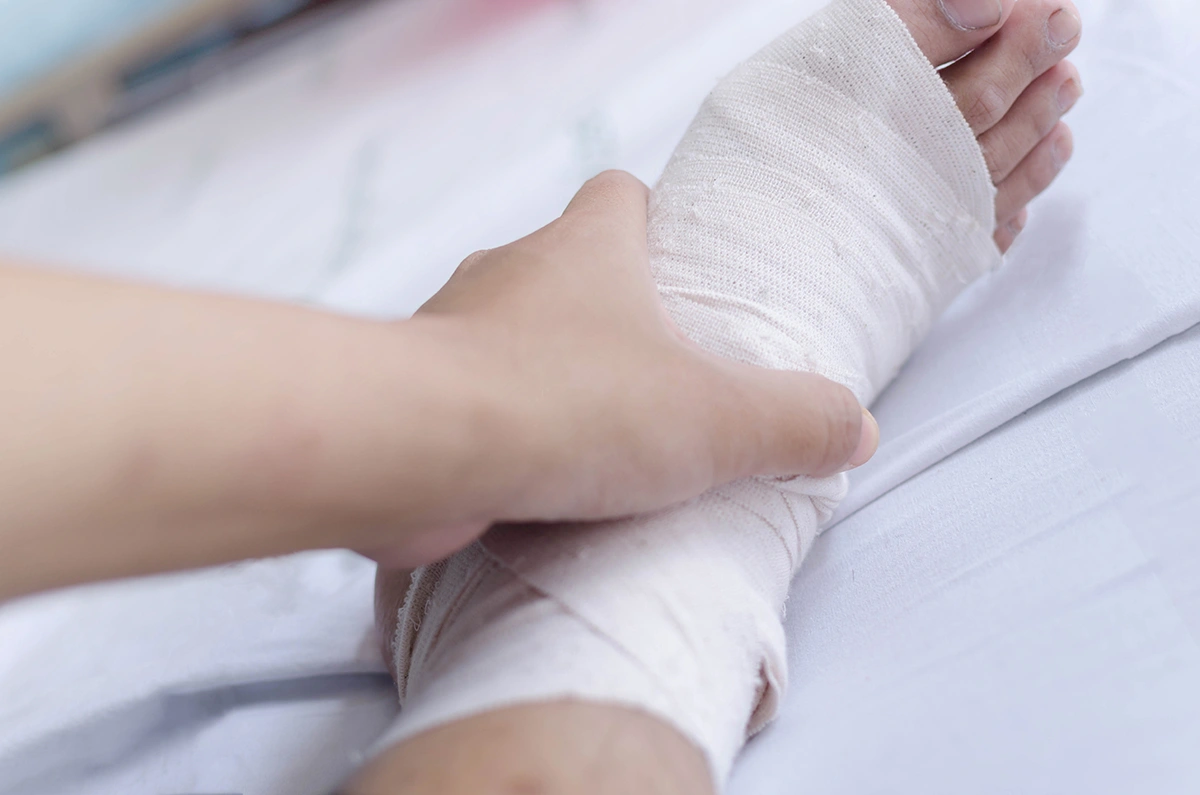
A patient recovering from ankle surgery

An ankle arthroscopy is a minimally invasive surgical technique used to diagnose and treat intra-articular conditions through high-resolution fibre optic imaging. This keyhole approach allows for the precise restoration of joint function, with significantly reduced recovery times and minimal disruption to the surrounding soft tissues.

Dr Seng Chusheng

Orthopaedic Surgery, Sports & Exercise Medicine

MBBS (Singapore), MRCS (Edinburgh), MMed (Orth), FRCS (Edinburgh)

What Is an Ankle Arthroscopy?

An ankle arthroscopy is a specialised surgical procedure used to evaluate and treat persistent joint pain that does not respond to conservative management. By inserting an arthroscope through small portals in the skin, the surgeon can directly address structural issues such as loose bone fragments, scar tissue, or cartilage defects. This targeted approach provides a clear internal view of the joint, allowing for immediate corrective action while preserving the integrity of the surrounding ligaments and tendons.

Who Needs an Ankle Arthroscopy?

An ankle arthroscopy is typically recommended for patients experiencing the following persistent joint symptoms that do not improve with non-surgical interventions:


  • Athletes with Impingement

    Individuals who feel a sharp pinching sensation at the front or back of the ankle when jumping, running, or flexing the foot.
  • Patients with Chronic Cartilage Damage

    Those suffering from deep, localised aching that suggests a thinning of the joint's protective surfaces or underlying bone bruising.
  • Individuals Experiencing Joint Locking

    Patients who deal with sudden, unpredictable catches or pops caused by loose fragments of bone or cartilage floating within the joint.
  • Sufferers of Persistent Swelling

    Those with chronic joint-line inflammation and puffiness that has failed to resolve with rest, ice, or anti-inflammatory medications.
  • Patients with Restricted Mobility

    Individuals who have lost their natural range of motion due to the buildup of internal scar tissue following a previous ankle injury or surgery.
  • Diagnostic Candidates

    Patients with ongoing, undiagnosed pain where traditional scans like X-rays or MRIs have failed to provide a clear clinical answer.
If persistent joint symptoms or restricted mobility fail to respond to conservative treatments, a direct clinical evaluation with our ankle specialist at Axis Orthopaedic Centre is the next step.
Schedule an Appointment Today

What Conditions Does an Ankle Arthroscopy Treat?

This minimally invasive technique allows for the direct surgical management of several common joint pathologies that cause chronic pain and restricted movement, including:


  • Ankle Impingement

    Removal of inflamed soft tissue or bony overgrowths at the joint margins eliminates the painful pinching felt during deep flexion or extension.
  • Osteochondral Lesions (OCD)

    Specialised techniques are used to repair or smooth damaged areas of the talus bone and its overlying cartilage to restore a fluid gliding surface.
  • Loose Bodies

    Free-floating fragments of bone or cartilage that cause sudden locking and mechanical irritation are efficiently extracted from the joint capsule.
  • Synovitis

    Chronic inflammation of the synovial lining is debrided to reduce persistent swelling and prevent further enzymatic degradation of the joint.
  • Arthrofibrosis

    The surgical release of internal scar tissue following previous trauma helps to restore the ankle's natural range of motion and functional flexibility.
  • Ankle Instability

    In certain cases, arthroscopy is used to assess and tighten overstretched ligaments, providing better structural support for the entire lower limb.

What Are the Types of Ankle Arthroscopies?

Different arthroscopic techniques are employed depending on the specific mechanical or structural issue present within the joint capsule. Some of the most common procedures include:


  • Osteochondral Lesion Repair

    This procedure focuses on smoothing or repairing damaged areas of the talus bone and its overlying cartilage to restore a fluid gliding surface.
  • Anterior Ankle Impingement Removal

    The surgeon debrides inflamed soft tissue or removes bony overgrowths at the front of the ankle to eliminate painful pinching during upward foot movement.
  • Posterior Ankle Impingement Removal

    Targeted at the back of the joint, this technique addresses bone spurs or accessory bones that cause discomfort during downward pointing of the toes.
  • Ankle Stabilisation

    Arthroscopic methods are used to assess and tighten overstretched or torn ligaments, restoring the structural integrity and balance of the joint.
  • Synovectomy

    This involves the surgical removal of a chronically inflamed synovial lining to reduce persistent swelling and prevent further enzymatic damage to the joint.
  • Loose Body Removal

    Free-floating fragments of bone or cartilage that cause sudden mechanical locking or sharp pain are efficiently extracted from the joint space.

What to Expect Before an Ankle Arthroscopy

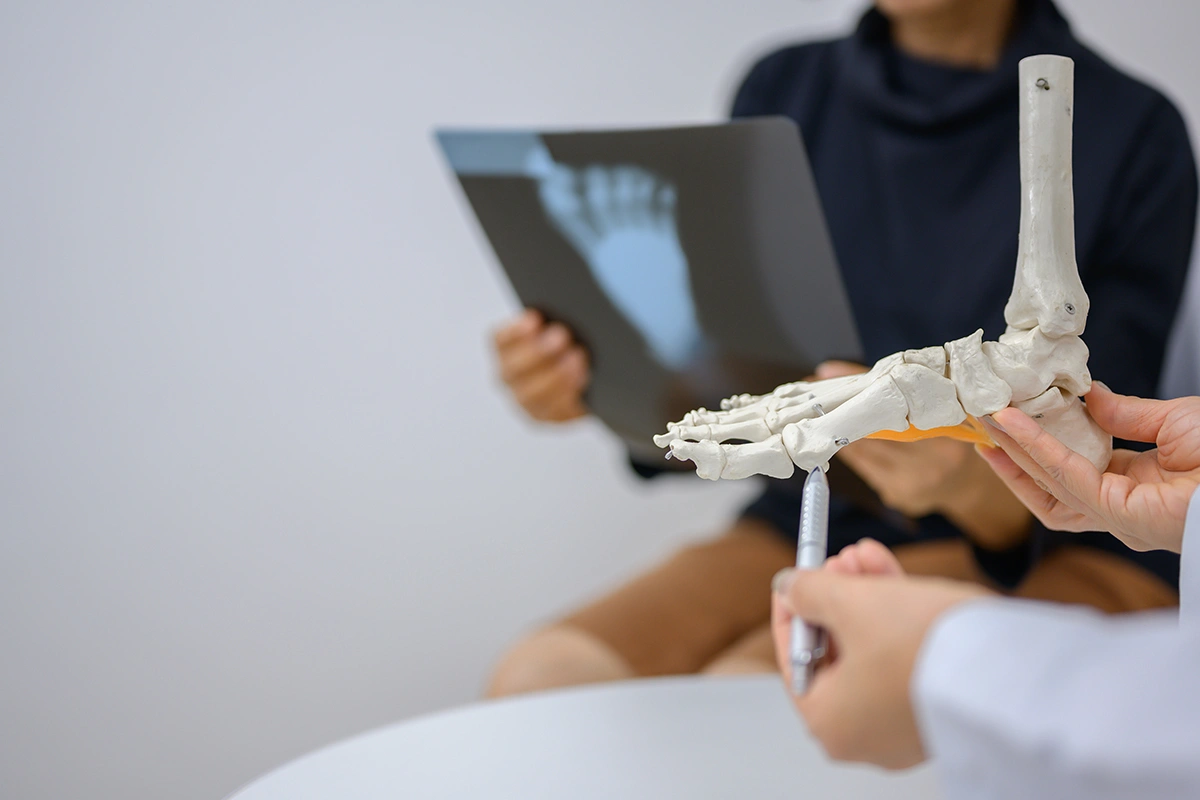
A patient discussing her ankle arthroscopy with her doctor

Preparation involves a systematic clinical review to ensure you are medically prepared for the procedure. This includes:


  • Pre-Operative Assessment

    A thorough physical examination and medical history review are conducted to confirm your suitability for anaesthesia and the surgical intervention.
  • Diagnostic Imaging Review

    Recent X-rays or MRI scans are carefully analysed to map the internal joint anatomy and pinpoint the exact locations of tissue damage or bone spurs.
  • Medication Adjustment

    The specialist may provide specific instructions on pausing certain supplements or blood-thinning medications in the days leading up to the surgery.
  • Fasting Protocols

    Patients are typically required to refrain from consuming food or liquids for at least six hours before the procedure to ensure a safe anaesthetic environment.
  • Rehabilitation Planning

    Early coordination with a physiotherapist helps establish a baseline for your range of motion and prepares you for the post-operative recovery programme.

What to Expect After an Ankle Arthroscopy

Post-operative care is designed to protect the surgical site while gradually restoring weight-bearing capacity and joint mobility. This process often includes:


  • Immediate Recovery Period

    Following the procedure, you will be monitored in a recovery suite until the effects of the anaesthesia subside and your vital signs are stable.
  • Pain Management

    The specialist will prescribe a combination of oral and anti-inflammatory medications to manage post-surgical discomfort and reduce internal swelling.
  • Wound Care and Elevation

    Keeping the limb elevated above heart level and maintaining dry, sterile dressings is essential for minimising oedema and promoting rapid skin healing.
  • Weight-Bearing Guidelines

    Depending on the extent of the internal repair, you may be required to use crutches or a protective boot for several days to shield the joint from excessive loading.
  • Structured Physiotherapy

    A tailored rehabilitation programme begins shortly after surgery to prevent stiffness and strengthen the muscles supporting the ankle joint.

What Are the Risks of an Ankle Arthroscopy?

While an ankle arthroscopy is a safe and minimally invasive procedure, it’s important to keep in mind the following potential risks:


  • Infection and Wound Complications

    Although rare, superficial or deep infections can occur at the incision sites, requiring antibiotic treatment or specialised wound care.
  • Nerve Injury and Numbness

    The proximity of small sensory nerves to the portal sites means that temporary or permanent tingling or numbness can occasionally develop around the foot.
  • Persistent Swelling and Stiffness

    Some patients may experience prolonged intra-articular inflammation or a buildup of scar tissue that necessitates an extended course of physiotherapy.
  • Blood Clots and Deep Vein Thrombosis

    Reduced mobility during the early post-operative phase carries a small risk of developing clots in the lower limb, which requires immediate medical attention.
  • Synovial Fistula

    In very rare cases, synovial fluid may leak through the healing incision portals, a condition that usually resolves with additional rest and compression.
  • Incomplete Symptom Relief

    If the underlying joint damage is extensive or degenerative, some residual discomfort may remain even after the mechanical issues have been addressed.
At Axis Orthopaedic Centre, our specialist carefully assesses the type and severity of each ankle condition to determine whether surgery is needed and the most appropriate surgical approach.
Schedule an Appointment

Enjoy Minimally Invasive Ankle Care with Dr Seng Chusheng

An ankle arthroscopy is a sophisticated clinical solution for addressing persistent intra-articular pain and mechanical joint failure. By utilising high-resolution imaging and minimally invasive techniques, this procedure allows for the precise debridement of inflamed tissue and the restoration of damaged cartilage surfaces.


At Axis Orthopaedic Centre, our specialist assesses the type and severity of each ankle condition to determine whether surgery is needed and the most appropriate surgical approach. Dr Seng Chusheng and our clinical team are dedicated to providing the diagnostic clarity and professional oversight required for a safe, effective recovery. If chronic joint pain or restricted movement is impacting your lifestyle, contact us to schedule an evaluation and explore your treatment options.

Frequently Asked Questions (FAQs) About Ankle Arthroscopies

How long does an ankle arthroscopy take?

The duration of an ankle arthroscopy typically ranges from thirty to ninety minutes, depending on the complexity of the intra-articular pathology being addressed. While simpler debridement procedures are relatively quick, more intricate repairs, such as cartilage restoration or ligamentous stabilisation, require additional operative time to ensure the structural integrity of the joint is fully restored.

What is the recovery time after an ankle arthroscopy?

Will I need crutches after an ankle arthroscopy?

When can I return to sports after an ankle arthroscopy?

Will there be visible scars after the surgery?

Dr Seng Chuseng
About Dr Seng Chusheng
Orthopaedic Surgery, Sports & Exercise Medicine
MBBS (Singapore), MRCS (Edinburgh), MMed (Orth), FRCS (Edinburgh)

Dr Seng Chusheng is a consultant orthopaedic surgeon at Axis Orthopaedic Centre, specialising in foot and ankle surgery. His clinical expertise includes minimally invasive ankle surgery, complex foot and ankle fracture fixation, keyhole ligament reconstruction, and cartilage repair. Over the course of his career, he has performed more than a thousand surgeries and manages a broad range of conditions, including sport-related ankle injuries and general orthopaedic trauma.

Dr Seng received advanced fellowship training at the Assal Centre in Geneva, Switzerland, focusing on complex deformities, trauma, and minimally invasive techniques. Before entering private practice, he served as a consultant orthopaedic surgeon at Singapore General Hospital and continues as a visiting consultant. His dedication to patient care has been recognised with the SingHealth Service With A Heart Award. Actively involved in research and education, Dr Seng regularly presents at local and international conferences and has published extensively in peer-reviewed journals, reflecting his commitment to advancing orthopaedic practice.

OUR PROMISE TO YOU
Prompt
Our team is always available to respond immediately to your enquiries, for acute emergencies and stable conditions alike.
Personalised
Advanced
Long-Term
Integrated Approach To Restore Comfort And Mobility

Axis Orthopaedic Centre is committed to helping people return to their daily lives and activities without restriction. Contact us at 9711 8888 or WhatsApp us for a personalised assessment today, or fill up the form below.

For foreign patients, a tele-consult on Zoom or WhatsApp can be done if pre-arranged in advance. Please email or WhatsApp first to enquire.

WhatsApp Us