

What Your Knee Pain Might Be Trying to Tell You

Dr Seng Chusheng
Orthopaedic Surgery, Sports & Exercise Medicine
MBBS (Singapore), MRCS (Edinburgh), MMed (Orth), FRCS (Edinburgh)
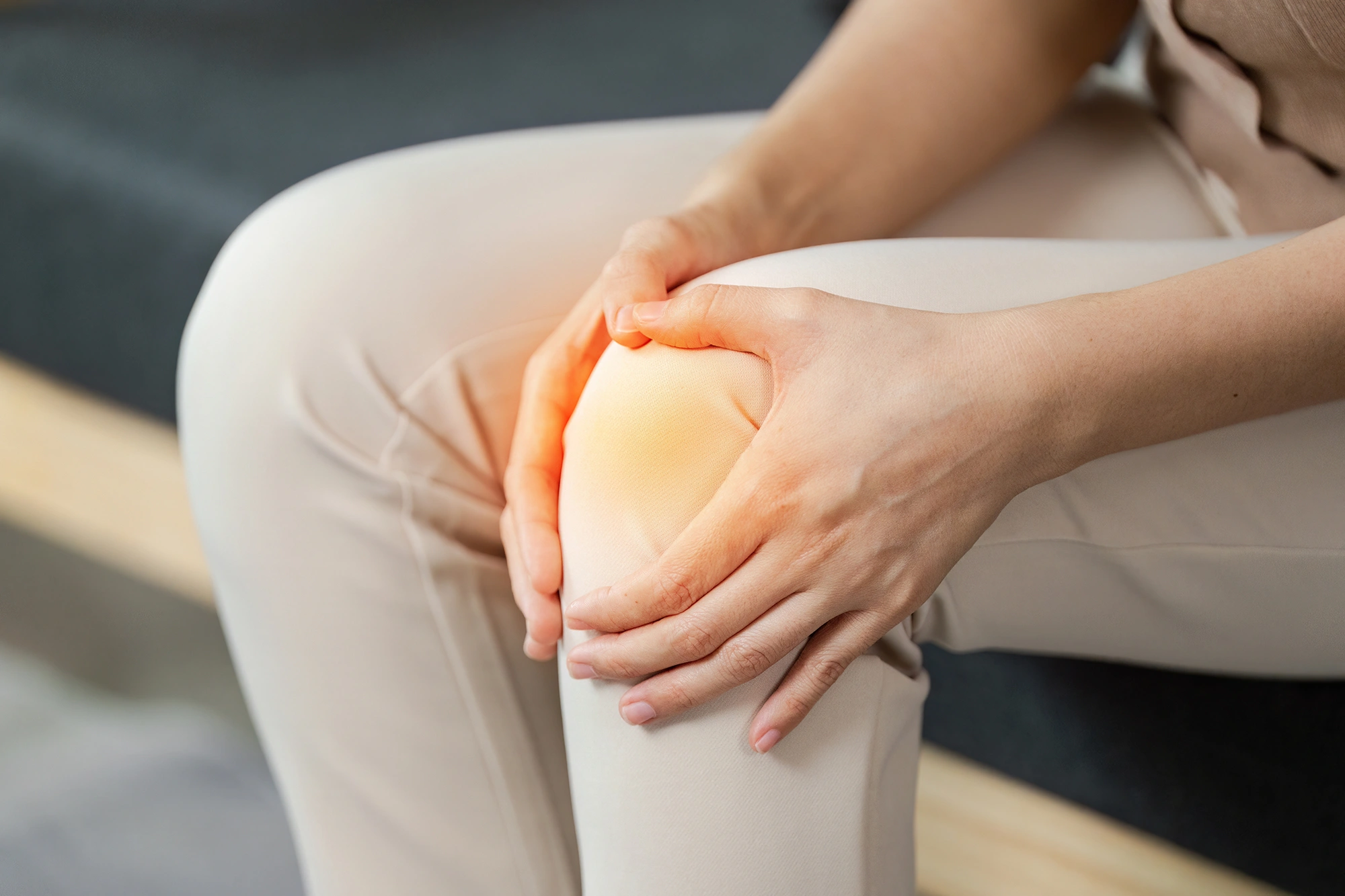
Our knees are the unsung heroes of daily life, quietly carrying the weight and demands of walking, stretching and sudden movements throughout the day. Over time, even the strongest joints can become strained and repeated stress may begin to take its toll. It is little surprise, then, that knee pain is one of the most common musculoskeletal complaints.
While knee pain is often dismissed as a normal part of ageing or activity, it can also be a sign of an underlying issue that should not be ignored. Understanding what your knee pain may be indicating is the first step towards proper treatment, safer movement and long-term joint health.
Common Causes of Knee Pain in Singapore
Knee pain can arise from a range of conditions affecting the bones, cartilage, ligaments, tendons and surrounding soft tissues. Below are some of the most common causes of knee pain:
Ligament Injuries
Injuries to the knee ligaments, such as the anterior cruciate ligament (ACL), as well as damage to the meniscus, commonly occur during sudden twisting movements, awkward landings or direct impact. These injuries may cause pain, swelling, instability or mechanical symptoms such as locking or catching.
Tendon and Soft Tissue Overuse Injuries
Overuse conditions such as tendinitis, tendinopathy and bursitis develop from repetitive strain or prolonged loading. Pain is often activity-related and may worsen over time without appropriate management.
Osteoarthritis
Osteoarthritis is a degenerative condition in which the cartilage within the knee gradually wears down. It commonly causes pain, stiffness, reduced mobility and symptoms that worsen with activity or prolonged weight-bearing.
Inflammatory Arthritis
Conditions such as rheumatoid arthritis can affect the knee joint and are often associated with swelling, warmth and prolonged morning stiffness. Symptoms may involve both knees and form part of a broader inflammatory condition.
Iliotibial Band Syndrome (ITBS)
ITBS is commonly seen in runners and cyclists. Pain is typically felt on the outer side of the knee and is linked to repetitive friction during movement.
Patellofemoral Pain Syndrome (Runner’s Knee)
This condition causes pain around or behind the kneecap and is often referred to as runner’s knee. Symptoms commonly worsen with running, climbing stairs, squatting or prolonged sitting and are frequently related to muscle imbalance or altered knee mechanics.
Acute Traumatic Injuries
Falls, direct blows or high-impact injuries can result in fractures or significant soft tissue damage. These injuries usually cause sudden pain, swelling and difficulty bearing weight and require prompt medical assessment.
When to Seek Specialist Care for Knee Pain
While mild knee discomfort may improve with rest, ice and over-the-counter pain relief, certain symptoms suggest that further assessment is needed. Seeking timely advice can help identify the underlying cause and prevent the condition from worsening.
An orthopaedic review is advisable if knee pain is:
- Sharp or intense following a fall, twist or direct impact
- Accompanied by swelling that persists or worsens over several days
- Associated with a sense of looseness, weakness or instability in the joint
- Severe enough to limit weight-bearing or prevent full straightening of the knee
- Linked to redness, heat or systemic symptoms such as fever
- Ongoing and disruptive to work, exercise or everyday movement

How an Orthopaedic Surgeon Evaluates and Treats Knee Pain
When knee pain does not settle with simple measures or begins to interfere with daily activities, assessment by an orthopaedic surgeon can help determine whether there is an underlying structural or mechanical cause. The focus is on understanding how the knee is functioning, identifying the source of symptoms and guiding care based on individual needs and long-term joint health.
Assessment and Diagnosis
Evaluation begins with a detailed discussion of your symptoms, medical history and activity levels to understand how and when the knee pain developed. A physical examination is then performed to assess movement, strength, alignment, stability and areas of tenderness.
Where appropriate, further investigations may be used to support clinical findings and confirm the diagnosis. Accurate identification of the underlying cause allows treatment decisions to be targeted and appropriate.
Treatment Planning and Management
Management of knee pain is guided by the diagnosis, symptom severity and the impact on everyday function. Treatment commonly starts with non-surgical approaches such as activity modification, structured physiotherapy and measures to reduce joint strain and support recovery.
If symptoms persist, medical treatments may be considered, including anti-inflammatory medication or targeted injections to help reduce pain and swelling. For conditions involving structural damage that do not respond to conservative care, minimally invasive procedures such as arthroscopy may be appropriate. In more advanced cases, surgical options including ligament reconstruction or joint replacement may be recommended.
Ultimately, the aim of treatment is to relieve pain, restore mobility and stability and support a safe return to daily activities and long-term knee health.
Keeping Your Knees Moving at Axis Orthopaedic Centre
At the end of the day, even unsung heroes require care and attention sometimes. And our knees certainly deserve nothing less. Understanding what your symptoms may be indicating, recognising when to seek specialist care and knowing how knee pain is assessed and managed are important steps towards protecting joint function and preventing long-term problems.
At our orthopaedic clinic, patients receive specialist care guided by extensive experience and a patient-centred approach. Dr Seng Chusheng specialises in knee surgery, with a focus on sports-related knee injuries and adult reconstruction for hip and knee arthritis. If you are experiencing ongoing knee pain or concerns about your joint health, booking a consultation with us can provide clarity, personalised guidance and a clear path towards recovery.
About Dr Seng Chusheng
Dr Seng Chusheng is a consultant orthopaedic surgeon at Axis Orthopaedic Centre, specialising in foot and ankle surgery and knee surgery. He obtained his MBBS and Master of Medicine in Orthopaedic Surgery from the National University of Singapore and is a Fellow of the Royal College of Surgeons of Edinburgh.
Dr Seng trained at the Assal Centre in Geneva, Switzerland, focusing on complex foot and ankle deformities, trauma and minimally invasive techniques. Before entering private practice, he served as a consultant orthopaedic surgeon at Singapore General Hospital and continues as a visiting consultant there. His dedication to patient care earned him the SingHealth Service With A Heart Award.
An active contributor to orthopaedic research, Dr Seng has published in peer-reviewed journals and was awarded the Japanese Orthopaedic Association Travelling Fellowship.

Singapore 329563
View Us On Google Map

For foreign patients, tele-consult on zoom or WhatsApp can be done if pre-arranged in advance. Please email or WhatsApp first to enquire.

