

5 Common Sports Injuries that Singapore Athletes Face
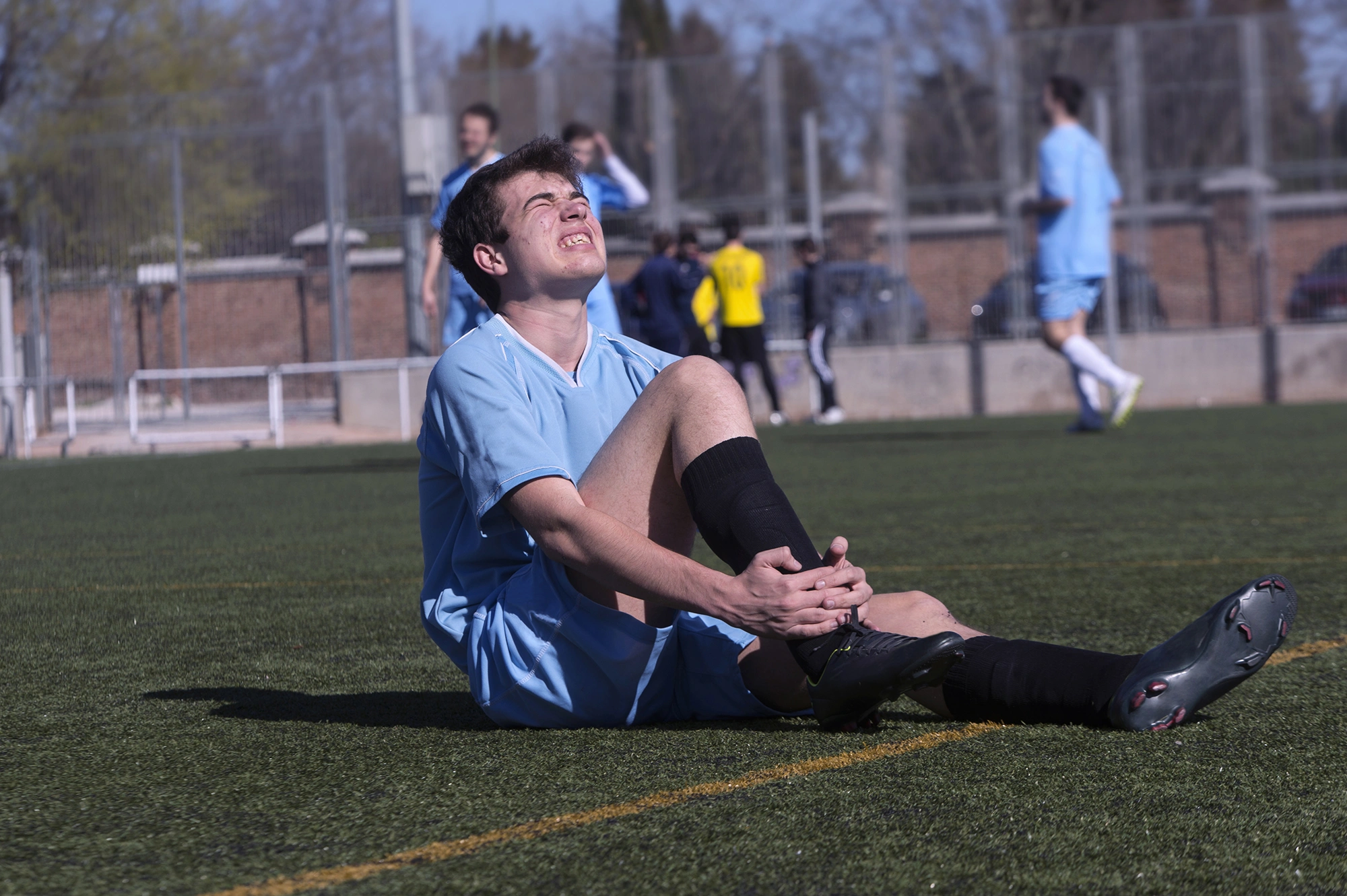
Athletes are no strangers to sports injuries. One wrong landing, an awkward twist or a hard fall can be enough to interrupt training and competition. For many athletes in Singapore, sport is pursued alongside school or work, with limited time for rest and recovery. When injuries occur in this setting, they can quickly affect performance, participation, and overall progress in sport.
Handled well, most injuries are manageable. When addressed poorly, however, they can have lasting effects on movement quality and long-term athletic development. Understanding the injuries that commonly affect athletes and how they are managed is key to safer training and long-term participation. Some of the most frequent sports injuries involve the knees, ankles, and shoulders, each presenting its own challenges and recovery considerations.
1. Anterior Cruciate Ligament (ACL) Tear
An ACL tear is a serious knee injury that affects the anterior cruciate ligament, which plays a key role in stabilising the joint during bending, pivoting and sudden changes in direction. Sports that involve rapid stops and twisting movements, such as football, basketball and rugby, place the ligament under significant strain.
Following an ACL tear, the knee often feels unstable, particularly during weight-bearing activities. Recovery typically requires an extended period of rest and rehabilitation, as swelling, weakness and reduced control can interfere with daily movement and athletic activity.
Complications
Severe or complete ACL tears may require surgical reconstruction, especially for athletes aiming to return to sport. While surgery can restore stability, there remains an increased risk of re-injury. Long-term joint health is also a concern, as up to half of individuals with ACL tears develop signs of knee arthritis within 10–15 years, regardless of whether surgery is performed.
Prevention and Treatment
Although not all ACL injuries can be prevented, athletes can reduce their risk through proper training, strength development and controlled movement. Programmes that emphasise landing technique, controlled pivoting and hip and core stability help minimise strain on the ligament, particularly in sports involving sudden changes in direction.
Initial management typically follows the RICE principle—rest, ice, compression and elevation—alongside appropriate pain management to control swelling and discomfort. As symptoms settle, physiotherapy becomes central to recovery, using structured rehabilitation exercises to restore strength, stability and movement control around the knee. Bracing may be used in selected cases to support the joint during healing.
Reconstruction surgery may be recommended for complete tears, ongoing instability or for athletes aiming to return to higher-demand sports. This is followed by a structured rehabilitation programme to support a safe and gradual return to activity.
2. Ankle Sprains
Ankle sprains occur when the ligaments supporting the ankle are overstretched or torn, usually due to a sudden twisting or rolling movement, often during landing. Sports that involve running, jumping or frequent changes in direction place the ankle at higher risk. Once the ankle has been sprained, there is often swelling, bruising and tenderness in the area. While it recovers, weight-bearing may be painful and the ankle can feel unstable during movement.
Complications
Because ankle sprains are so common, they are often underestimated. Mild sprains may heal with reduced activity and appropriate care. However, athletes who return to sport too quickly or neglect proper rehabilitation face a higher risk of repeat injury. Severe or poorly managed sprains can lead to chronic ankle instability, where the joint becomes increasingly vulnerable to recurrent sprains and long-term damage.
Prevention and Treatment
Risk can be reduced through proper warm-ups, stretching, appropriate footwear and training on safe surfaces. Mild sprains are commonly managed using the RICE principle, while more severe injuries may require bracing to support healing and prevent recurrence. Assessment by a sports orthopaedic doctor may include imaging such as X-ray or MRI to determine ligament damage. In severe cases, minimally invasive procedures or ligament reconstruction may be recommended to restore ankle stability.
3. Rotator Cuff Injuries
The rotator cuff is a group of muscles and tendons that stabilise the shoulder and allow a wide range of movement. As the shoulder is the most mobile joint in the body, it is also less stable and more prone to injury. Rotator cuff injuries are common in sports that involve repetitive overhead motions, such as swimming, golf and weightlifting.
Damage can range from mild tendon inflammation (tendinitis) and partial tears to complete ruptures, leading to pain, weakness and reduced shoulder mobility. Athletes may notice difficulty lifting the arm, decreased strength or discomfort that worsens with activity or when lying on the affected shoulder.
Complications
If left untreated, partial tears may progress to complete ruptures. Ongoing shoulder pain and weakness can limit athletic performance and interfere with daily activities such as lifting, reaching or dressing. In more severe cases, prolonged injury may lead to muscle atrophy or degenerative changes within the joint.
Athletes who continue training through pain often compensate by altering their movement patterns, which can increase the risk of secondary injuries to the neck, elbow or opposite shoulder. Long-term rotator cuff damage may also contribute to early-onset shoulder arthritis and permanent loss of strength or range of motion.
Prevention and Treatment
Early assessment is important to prevent long-term complications. Mild to moderate injuries are often managed with rest, activity modification and targeted physiotherapy. In cases of persistent symptoms, corticosteroid injections may be used to reduce inflammation. For severe tears or ongoing functional limitation, surgical treatment may be recommended to repair or remove damaged tissue and restore shoulder function.
4. Meniscus Tears
The meniscus is a layer of cartilage that cushions and stabilises the knee joint. Tears typically occur during twisting movements or sudden impact, particularly when the knee is bent and bearing weight. Similar to ACL injuries, meniscus tears often happen during pivoting actions.
When the meniscus is torn, athletes may experience pain deep within the knee, sometimes described as a catching or sliding sensation. Movements such as squatting, bending or fully straightening the leg can become painful or restricted.
Complications
If left unresolved, the meniscus will constantly wear away at the articular cartilage of the knee. This damages the joint itself and could permanently impact your mobility. Early and appropriate management helps reduce ongoing irritation and supports long-term knee function.
Prevention and Treatment
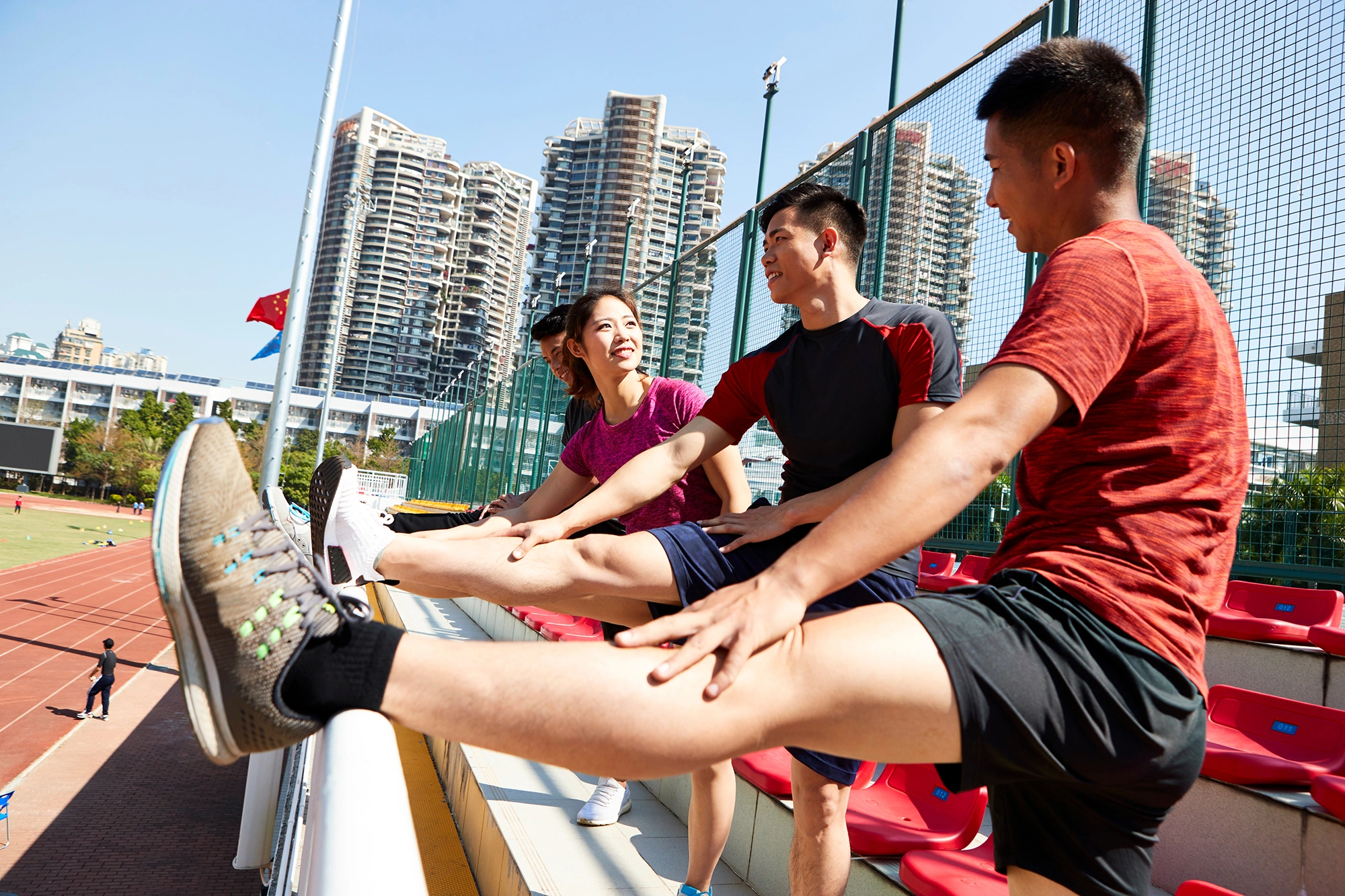
The risk of meniscus injury can be reduced through proper warm-ups that improve joint flexibility, as well as training techniques that avoid excessive twisting or loading of the knee.
Initial treatment usually involves rest, anti-inflammatory measures and a structured physiotherapy programme to restore strength, stability and range of motion. Conservative management may include the RICE principle, guided by clinical assessment.
If symptoms such as persistent pain, swelling, knee locking or instability continue despite conservative care, surgical treatment may be considered. Surgical approaches aim to relieve symptoms while preserving as much healthy cartilage as possible, either by trimming the damaged portion of the meniscus or repairing the tear when blood supply allows.
5. Tennis Elbow
Tennis elbow, also known as lateral epicondylitis, develops when the tendons that attach the forearm muscles to the outside of the elbow are subjected to repeated strain. It is commonly associated with racquet sports, but can also affect athletes and individuals who perform repetitive gripping or wrist extension activities.
Rather than a sudden tear, tennis elbow usually involves tendon overuse and degeneration, leading to pain on the outer elbow, tenderness and reduced grip strength. Symptoms often worsen with activity and may interfere with everyday tasks such as lifting or gripping objects.
Complications
If left untreated, tennis elbow can progress from an acute condition to a chronic problem that persists for months or longer. Continued strain may delay tendon healing, resulting in ongoing pain and functional limitation. Symptoms are more likely to recur if treatment focuses only on pain relief without addressing contributing factors such as muscle weakness, poor technique or excessive repetitive load.
In prolonged cases, tendon quality may deteriorate further, increasing the risk of partial tearing and long-term weakness, which can affect sporting performance and daily activity.
Prevention and Treatment
Prevention focuses on reducing repetitive strain, allowing adequate rest between training sessions and addressing technique or equipment issues that increase load on the forearm.
Initial treatment of this elbow injury commonly includes activity modification, RICE, and the use of bracing or elbow straps to reduce stress on the affected tendon. Physiotherapy plays an important role, using targeted strengthening and rehabilitation exercises to improve tendon resilience.
For persistent symptoms that do not improve with conservative care, additional non-surgical treatments such as shockwave therapy or platelet-rich plasma (PRP) injections may be considered to support tendon healing. Surgical intervention is rarely required and is reserved for cases that remain unresponsive to prolonged non-surgical management.
Treating Sports Injuries at an Orthopaedic Clinic in Singapore
Sports injuries vary in severity and even minor issues can progress if they are not managed properly. Prioritising recovery and following a structured rehabilitation plan are essential for protecting movement quality and long-term joint health. If pain, instability or difficulty returning to activity persists, assessment by an orthopaedic specialist can help clarify the cause and guide appropriate care.
At Axis Orthopaedic Centre, treatment plans are tailored to each patient, with a focus on accurate assessment, efficient care, and long-term outcomes. Dr Seng Chusheng, an orthopaedic specialist with a special interest in sports reconstruction surgery and orthopaedic trauma, has extensive experience caring for athletes across different levels of sport. Book a consultation today to take a considered step towards safe recovery and confident return to sport.
[H2] About Dr Seng Chusheng
Dr Seng Chusheng is a consultant orthopaedic surgeon at Axis Orthopaedic Centre, specialising in foot and ankle surgery and knee surgery. He obtained his MBBS and Master of Medicine in Orthopaedic Surgery from the National University of Singapore and is a Fellow of the Royal College of Surgeons of Edinburgh.
Dr Seng trained at the Assal Centre in Geneva, Switzerland, focusing on complex foot and ankle deformities, trauma and minimally invasive techniques. Before entering private practice, he served as a consultant orthopaedic surgeon at Singapore General Hospital and continues as a visiting consultant there. His dedication to patient care earned him the SingHealth Service With A Heart Award.
An active contributor to orthopaedic research, Dr Seng has published in peer-reviewed journals and was awarded the Japanese Orthopaedic Association Travelling Fellowship.

Singapore 329563
View Us On Google Map

For foreign patients, tele-consult on zoom or WhatsApp can be done if pre-arranged in advance. Please email or WhatsApp first to enquire.

